
Better Heating Lamps for SIPA SFR 16 and Sidel Matrix Systems
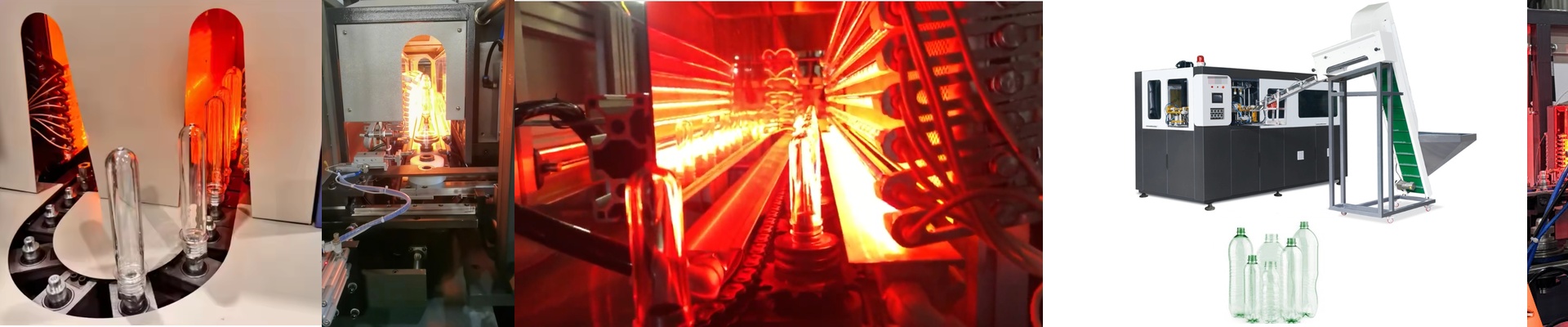
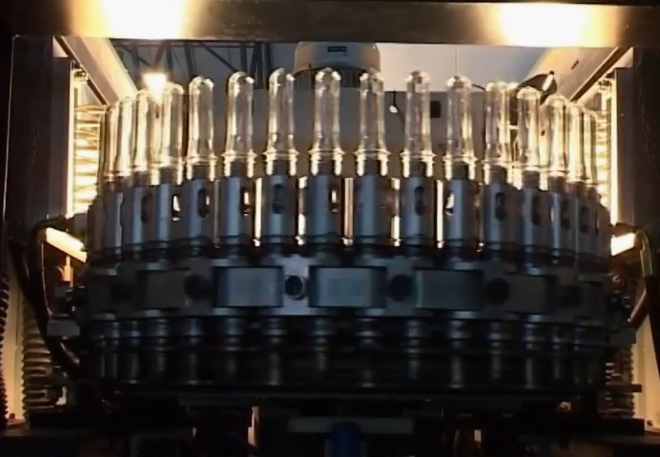
If you’ve spent any time around PET blow molding, you know the struggle. Getting that preform temperature just right—perfectly uniform—is the difference between a great bottle and a waste of plastic. Whether you’re running a SIPA SFR 16 or a Sidel (from those old SBOs to the new Matrix line), the goal is always the same: keep the heat consistent without fighting your equipment. The “Drop-in” Promise We didn’t want to make something that “almost” fits. We made these to be true drop-in replacements. That means the size, the wattage, and the voltage are a dead match for the OEM specs. Why does that matter? Because in a rotary oven, even a tiny mistake in length or a connector that doesn’t quite line up puts stress on the quartz tube. That’s how lamps break. We use precision-ground ends so the lamp just slides into the housing. No forcing it. No praying it doesn’t crack. The Science Part (Made Simple) We use high-purity quartz glass because these things go through a brutal cycle of heating and cooling every few seconds. The filaments are tuned for shortwave infrared. In plain English: the energy goes into the PET material where it belongs, instead of just heating up the oven walls. Depending on how your oven is set up, we can do different coatings. Some of them narrow the beam to hit the center of the preform. It’s a tighter heat profile, which means you aren’t wasting energy and your cooling blowers don’t have to work nearly as hard. A Quick Heads-Up on Installation Wiring is easy. We use standard industrial connectors, so you won’t have to mess around with your machine’s electrical harness. Just plug and play. But here’s the thing… don’t just chase higher wattage to speed up your cycles. If you pump more heat into an oven with pitted or oxidized reflectors, you’re fighting a losing battle. You won’t actually see the performance boost. Next time you’re swapping a lamp, take a second to look at those reflectors. If they’re dirty or worn out, clean them up. Otherwise, you’ll still get those annoying uneven spots on your preform walls.