
Fixing Those Annoying Heat Spots in Your SIG Blomax 4
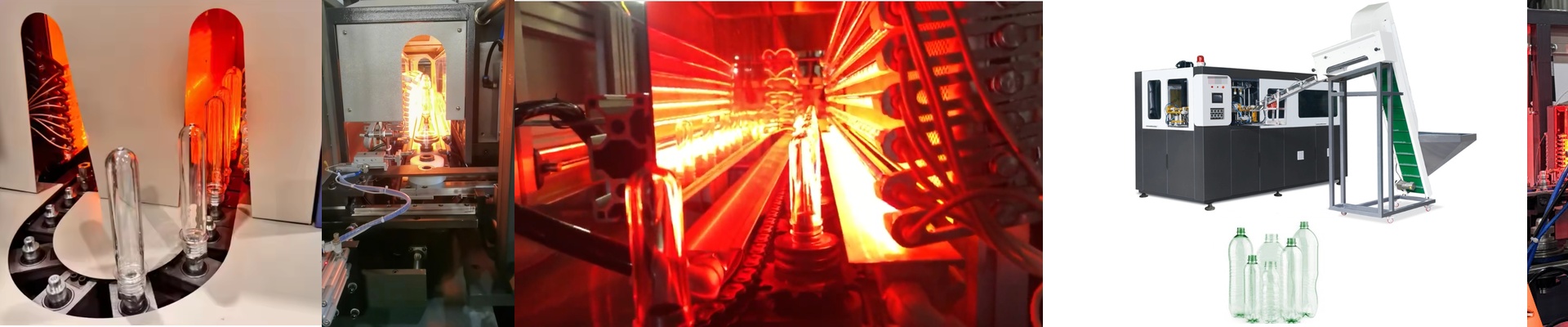
Ever pull a batch of PET bottles off the line and see that weird pearlescent haze or, even worse, thin walls that feel like they’ll pop if you look at them wrong? It’s frustrating. Usually, it comes down to one thing: your lamps. If you’ve swapped in replacements that aren’t a perfect match for the original thermal footprint, you’re going to get cold spots and overheating zones. It’s a headache you don’t need. That’s why we make drop-in IR lamps specifically designed to kill those cold spots and get your heat back in balance.
Why the heat goes sideways
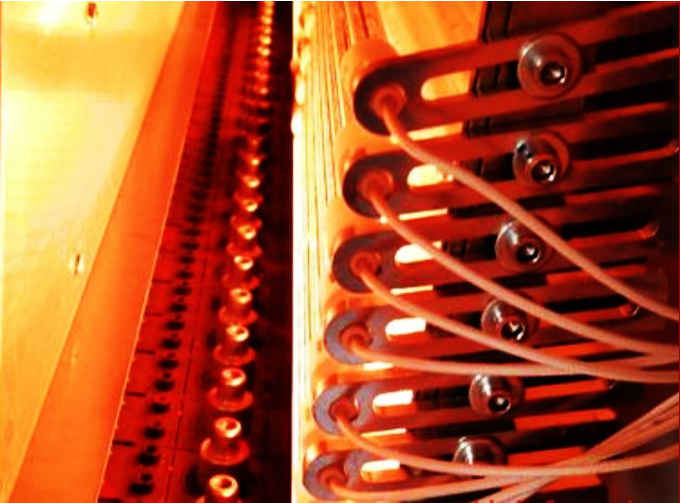
Here’s the thing about blow molding: it’s all about the wattage per millimeter. If the lamp doesn’t play nice with the Blomax 4’s oven geometry, you get “striping” on the preform. We spent a lot of time obsessing over the quartz envelope and the filament density. We wanted to make sure the IR radiation actually hits the PET wall consistently from top to bottom, rather than just hitting some spots and missing others.
The gear inside
These aren’t generic bulbs. We use high-purity quartz so they don’t burn out the second they hit a high-voltage load. Plus, the connectors are precision-machined. They slide right into your existing sockets without you having to force them—which means no worrying about arc-faults at the terminals. We also added a specific coating to the quartz. Instead of just scorching the surface of the plastic, this helps the heat sink deeper into the preform wall. It’s a subtle change, but it makes a huge difference in the final bottle.
Putting them to work
You can swap these into your KHS setup right now without touching a single wire. Just a heads-up, though: if you’re cranking up the heat density to fix a stubborn cold spot, your oven’s exhaust system is going to work harder. If you’re running at max power, just keep an eye on your blower speeds so you don’t cook the machine frame. Once they’re in, they just… work. They stay stable for thousands of hours. That means fewer rejects in the bin, a steady heat field, and way less time messing around with settings when you switch preform sizes.