
Getting the Heat Right in Husky HyPET Systems
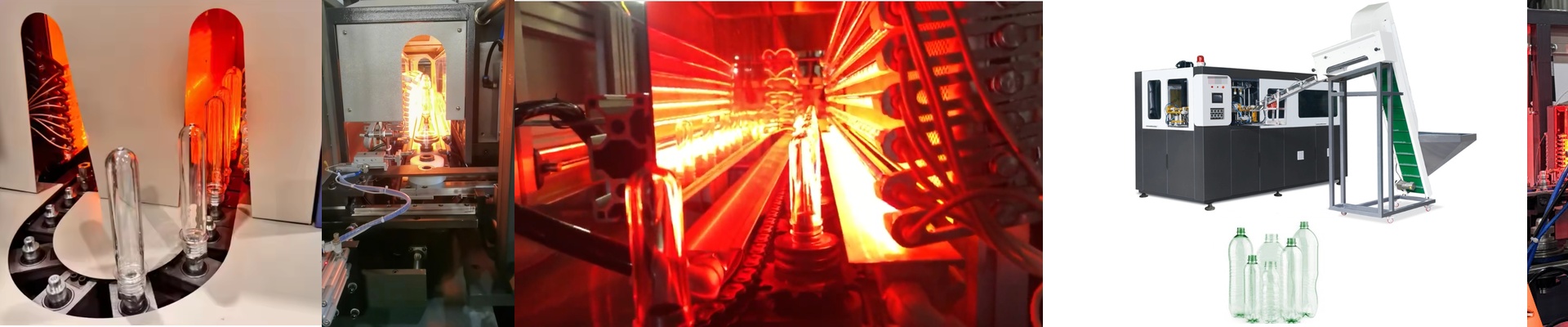
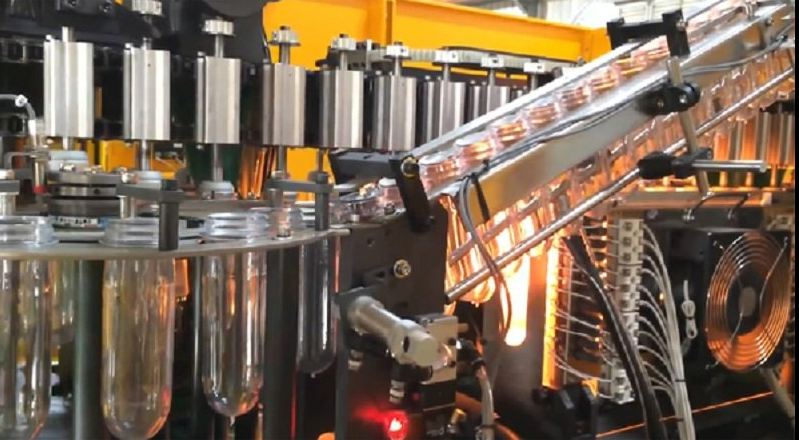
If you’re running high-speed PET blowing, you know the struggle. You need the heat to soak deep into the center of the preform wall, but you can’t just blast it and scorch the surface. It’s a balancing act. In the Husky HyPET world, we handle this with some very specific shortwave infrared (SWIR) tuning and a lot of wattage.
The Power Side of Things
To keep those cycle times fast, you can’t mess around with low-power lamps. We use high-voltage, high-wattage setups. Why? Because it lets us keep the footprint small while still pumping out the thermal energy needed for those thick-walled preforms. It’s all about that concentrated heat flux. You need the plastic to hit its glass transition temperature fast. If your wattage is lagging, you’ll start seeing those annoying cold spots in the bottle base or uneven stretching. Nobody wants that.
The Hardware
We use high-purity quartz glass because, frankly, anything else would just burn out under this kind of stress. These lamps are built for penetration. We’ve shifted the spectral output to wavelengths that PET actually likes to absorb. Plus, we use halogen cycles to keep the filament stable. It means the tubes last longer, even when you’re pushing them to the limit. And for the install? The connectors are simple drop-in replacements for Husky OEM specs. They wire up quickly, and you don’t have to worry about electrical arcs at the terminals. It just works.
The Trade-offs (And how to handle them)
Here’s the thing: more penetration power means more heat—and a lot of it ends up in the air inside your oven. You’ve got to make sure your cooling blowers are actually up to the task. If your airflow is choked, the surface of the preform will overheat before the core is even soft. That’s how you end up with bubbling or that dreaded pearlescence. One last tip: keep your reflectors clean. A dirty reflector kills your efficiency, no matter how powerful your lamps are. Give them a wipe, and you’ll see the difference.