

Introduction
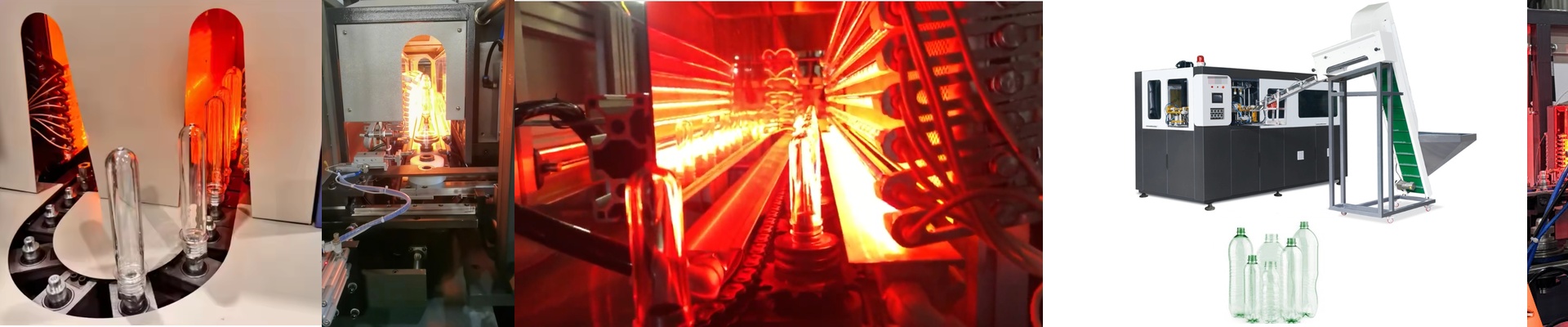
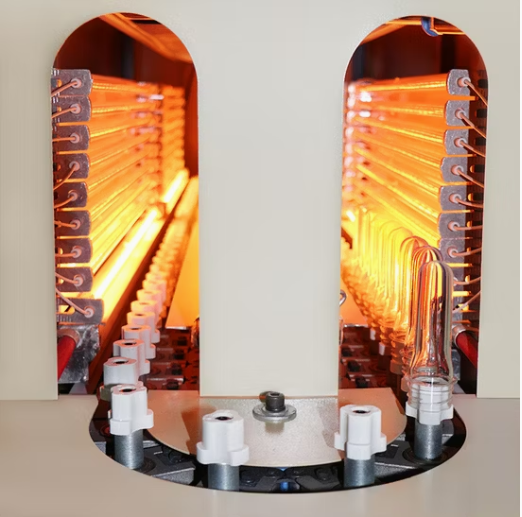
We built these PC preform softening lamps for one reason only: to go toe-to-toe with the brutal speed of Husky HyPET systems. The whole point is simple—get that heat deep into the preform wall without scorching the surface. This isn’t just some off-the-shelf heater. It’s a precision tool, tuned to match the exact rhythm and heat needs of the HyPET platform.
Power, Voltage, and Size: The Real Deal
Here’s the thing about a Husky HyPET line: that preform is moving. Fast. So the lamp has to deliver a massive burst of heat in the blink of an eye. That’s why we built these to run at high voltage in a compact package. You get all the wattage you need, but it fits perfectly in the existing lamp chamber. The 400V rating keeps the power steady, even when the system is running flat out, so you don’t get that annoying voltage drop. And the shorter tube? That’s not an accident. It focuses all that heat right where it needs to be—on the preform as it transitions. No wasted energy. The surrounding components stay cooler, which is a huge win. Just keep this in mind: with high power density comes the need for proper cooling. If the chamber runs too hot, you’ll shorten the life of both the lamp and the other parts.
The Good Stuff: Halogen, Quartz, and R7s
We chose a halogen element inside a quartz tube for a reason. Quartz can handle those wild temperature swings without getting soft or weak. And the halogen cycle is the real hero—it keeps the output steady by sending tungsten back to the filament, which fights off that blackening over time. As for the R7s connector, that wasn’t a random pick. It’s a tough, two-pin design that locks in fast and stays perfectly aligned. You get a rock-solid connection, so the lamp sits tight without any wobble, and all that heat goes straight where it needs to.
What It Feels Like on the Line
When you’re running on a Husky HyPET, the lamp has to get the heat deep—not just on the surface, but right to the core of the preform. We tuned the geometry and the light spectrum to nail that penetration, so the preform softens evenly before it’s blown. And the best part? It’s a straight drop-in replacement. Wire it up, set your machine, and you’re good to go. The heating performance is consistent, shift after shift. For the engineers, that means fewer tweaks, more stable heating, and way less scrap from uneven softening. Just the way you like it.