
Stop Fighting Your SIPA Rotary Oven
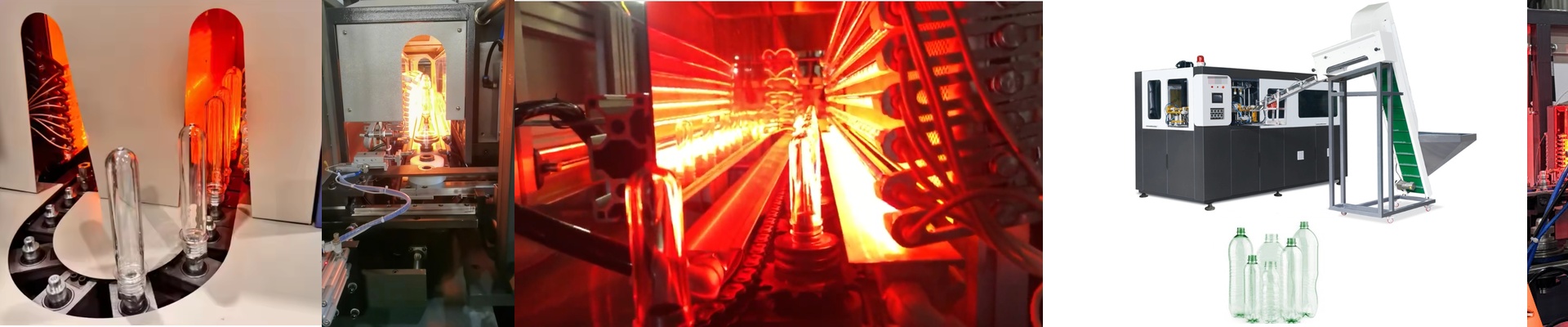
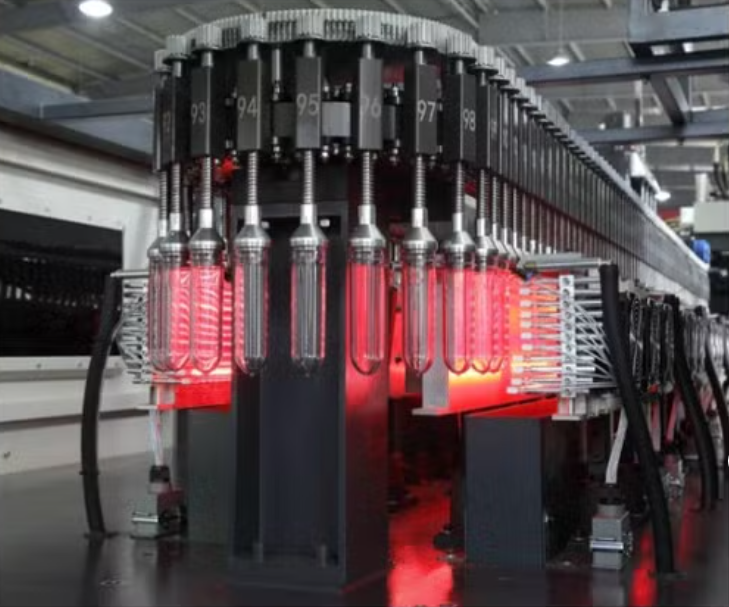
Ever notice how your bottle walls suddenly get uneven, or you start seeing random failures on the line? Usually, it comes down to one thing: the lamps. Here’s the thing about SIPA rotary machines—they’re picky. Most of those annoying heating fluctuations happen because of a power mismatch during a lamp swap. If you throw in a bulb that’s “close enough” in wattage or voltage, you’ve just messed with the thermal profile. That tiny difference—even just 5%—changes how the infrared light actually hits the PET. You end up with cold spots in the preform, and suddenly your quality control is a nightmare. Getting the power right We don’t do “close enough.” We build our replacement filaments to hit the original factory specs exactly. Why? Because when the power match is 100%, the heat flux stays steady across every single station in the oven. No guessing. No surprises. No rewiring, no headaches We use high-purity quartz and tungsten, but more importantly, we use the standard connectors you’re already used to, like R7s or SK15. They’re true drop-in replacements. You just pop them in. You won’t be spending your afternoon rewiring housings or fighting with the fit. Plus, we have coated options that bounce the heat back toward the preform. It’s a smarter way to work—less energy wasted and a cooler machine chassis. The real-world side of things Now, a word of caution. High-density IR lamps put out a ton of heat. If you’re tempted to crank up the wattage just to cover for a failing heater band, be careful. Your ambient temperature will spike, and your cooling system might struggle to keep up. Just double-check that your ventilation is clear before you swap in high-output tubes. The best part about matching your voltage and wattage exactly? You can stop messing with your PID controllers. You set your parameters once, and they actually stay there. The filaments last longer, your cycle times stay rock solid, and you can finally stop babysitting the oven.