
How to actually speed up your baking line with IR
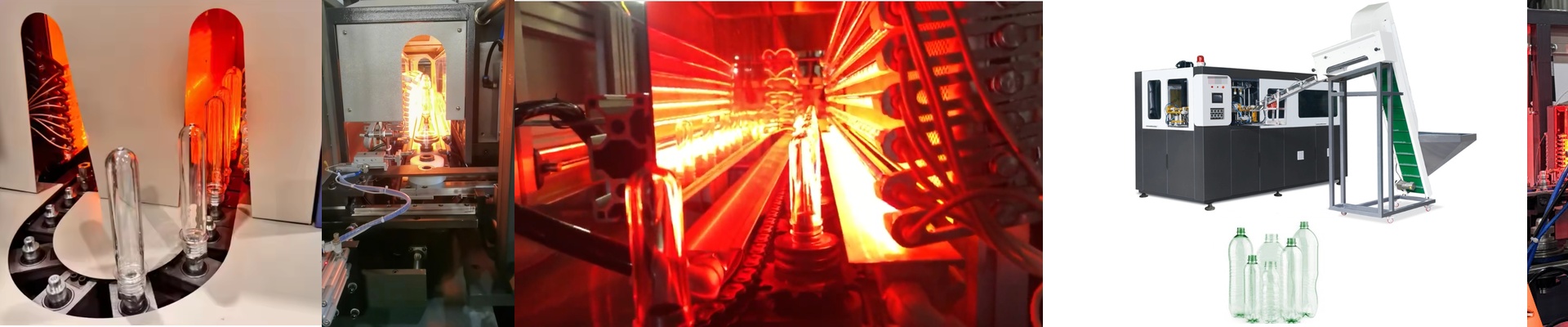
If you’re relying on standard convection ovens, you’re basically waiting on the air to heat up. That’s a bottleneck. It slows down the whole rhythm of your rotary line, and if you want more units moving per minute, you can’t just keep waiting on hot air. You need to get the energy directly into the dough. That’s where our shortwave infrared (IR) lamps come in. Instead of warming the room, these lamps hit the surface of your pastry instantly. It’s direct. It’s fast. The secret is heat density To move the line faster, you need a lot of power packed into a small space. We set up these IR heaters to punch through the surface of the product way faster than a breeze of hot air ever could. When we dial in the wattage and match it to your plant’s grid, the product spends less time in the heating zone. This is the part you’ll love: you can finally crank up the conveyor speed without worrying about a raw center. The gear Bakeries are tough environments. It’s messy and hot. That’s why we use quartz envelopes for the lamps—they can take the abuse. Whether your oven uses R7s or Sk15 connectors, these are designed to be drop-in replacements. You don’t need a total overhaul; they just fit. We also use halogen-filled tubes. Why? Because it keeps the temperature steady from one end of the heater to the other. No more “cold spots” or wondering why some batches came out uneven. A few things to keep in mind Now, there’s a catch. High-output IR lamps put out an intense amount of heat in a very tight spot. It’s powerful, but it puts a lot of pressure on your control system. You can’t just plug these in and walk away. You’ll need fast-acting PID controllers and sensors that don’t lag. If your sensors are slow, you’ll end up with burnt edges and a doughy middle. Also, double-check your ventilation. These lamps create a rapid heat spike, and you don’t want that heat warping your oven chassis. Keep it vented, keep it controlled, and you’re good to go.