

The Fast-Response IR Heater We Built for Buffet Lamps That Never Stop
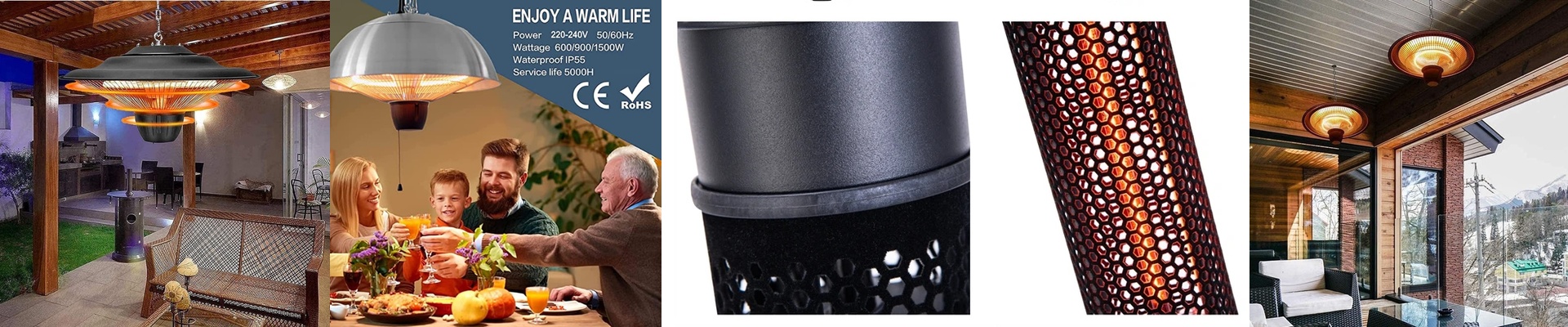
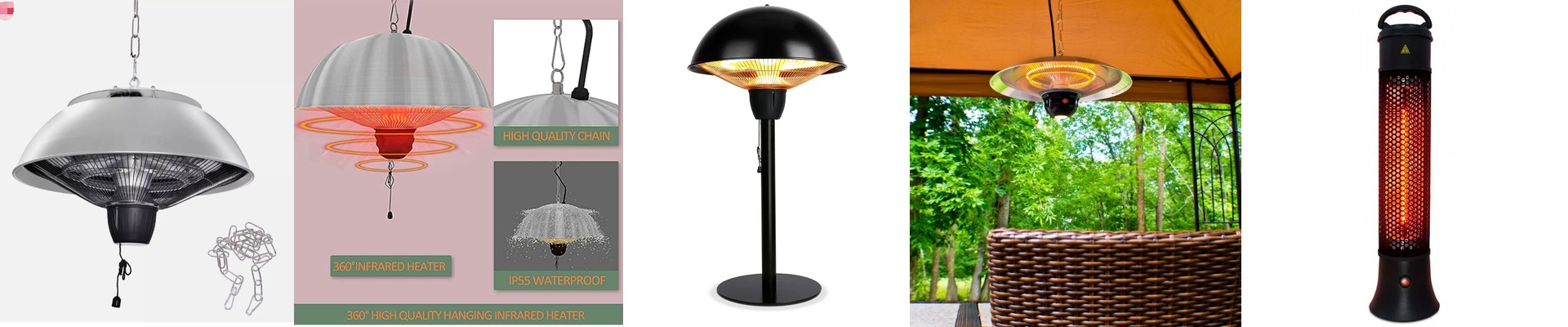
We designed this infrared heater for one reason: buffet lamps that get turned on and off all day long. In a busy buffet line, there’s no time to wait. The lamp has to get hot instantly and stay steady, or the food quality suffers. So we matched the heater’s physics to the job, and it just works.
Power, Voltage, and Size—Kept Real
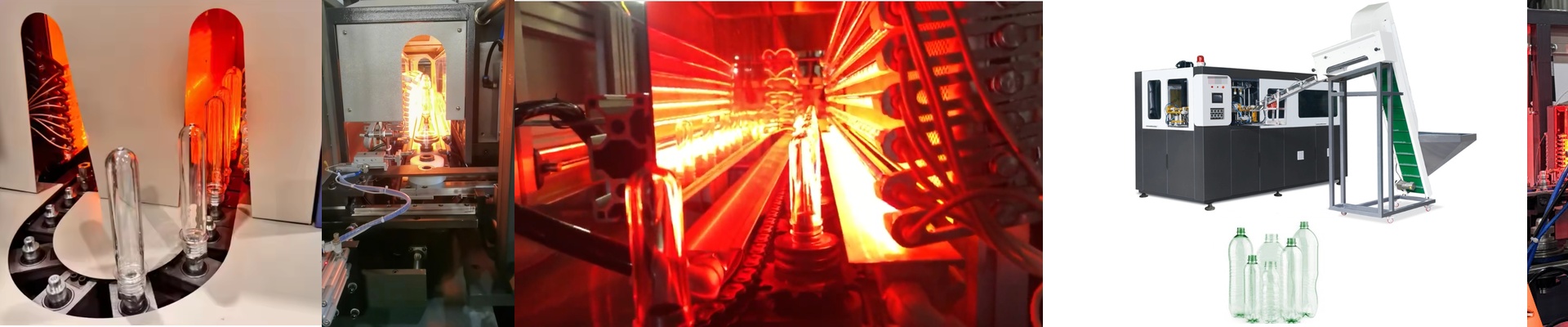
At the heart of this lamp is a shortwave infrared tube that packs a lot of heat into a small space. We run it at 400V, which lets us deliver the power you need without needing a bulky element or pushing too much current through the wiring. That means a quick thermal ramp—seconds to hit operating temperature—without tripping over the electrical limits. We also made the tube length fit standard buffet lamp housings. No re-engineering. No fuss. And the wattage is set to throw focused radiant heat right where the food sits. This isn’t about slow, gentle warmth. It’s about immediate response for a high-cycle environment.
Materials and Design: Built to Handle the Heat
We chose a quartz envelope because it handles fast temperature swings without cracking. Inside, a halogen fill gas stabilizes the filament and prevents hot spots, so output stays consistent over time. The shortwave emission profile isn’t an accident. It targets absorption at the food surface, so the heat goes where it matters—onto the food—instead of warming the air around it. For the connection, we went with R7s, a two-pin interface that’s proven in the field. It installs quickly, stays aligned, and keeps contact resistance low. That matters when a lamp is switched on and off again and again.
Reliability When the Switching Never Stops
When a lamp gets cycled constantly, the usual failure points are thermal shock and worn contacts. Our tube handles repeated on/off use because it heats and cools fast without stressing the envelope. And the R7s connection is built to take the repetition. The payoff is simple: the lamp stays in service longer, with fewer surprise shutdowns. One thing to keep in mind: fast response and high power density mean this lamp runs hot. Make sure your fixture has enough clearance and ventilation, and double-check that the socket and wiring are rated for the voltage and repeated thermal cycling. Set it up right, and you get a drop-in heater that keeps pace with the line, cycle after cycle.