
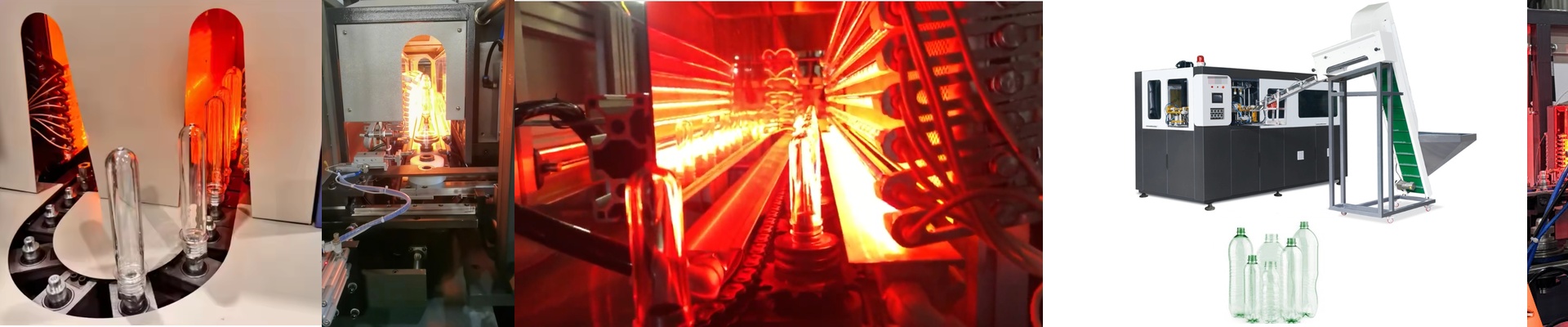
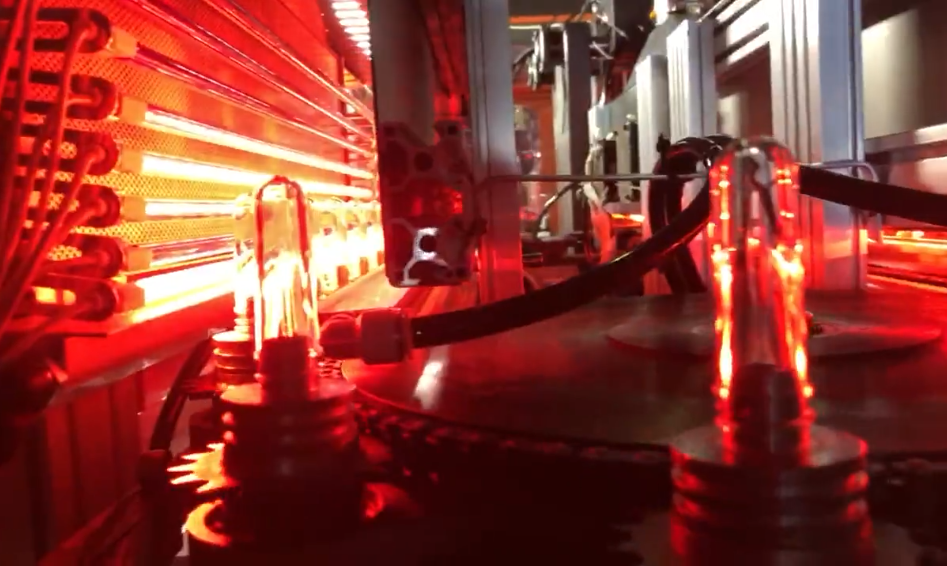
On a Contiform line, the heating tunnel is where the day’s run gets decided. Run the preforms cool and you’re chasing thin spots and weak neck finishes. Run them hot and you’re dealing with crystallization and off-color. The heater bulb sits dead center in that balancing act, and when it starts drifting off spec, the whole blow molder feels it.
What matters, technically
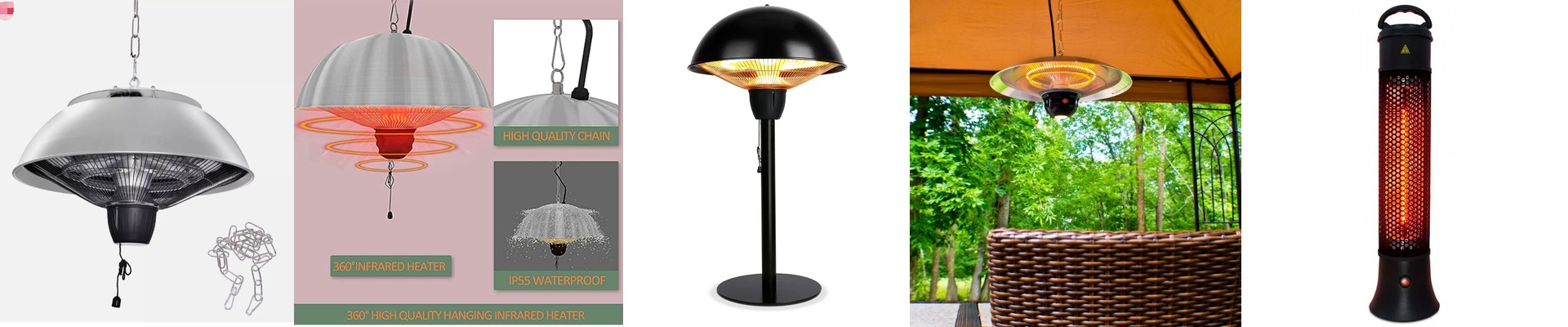
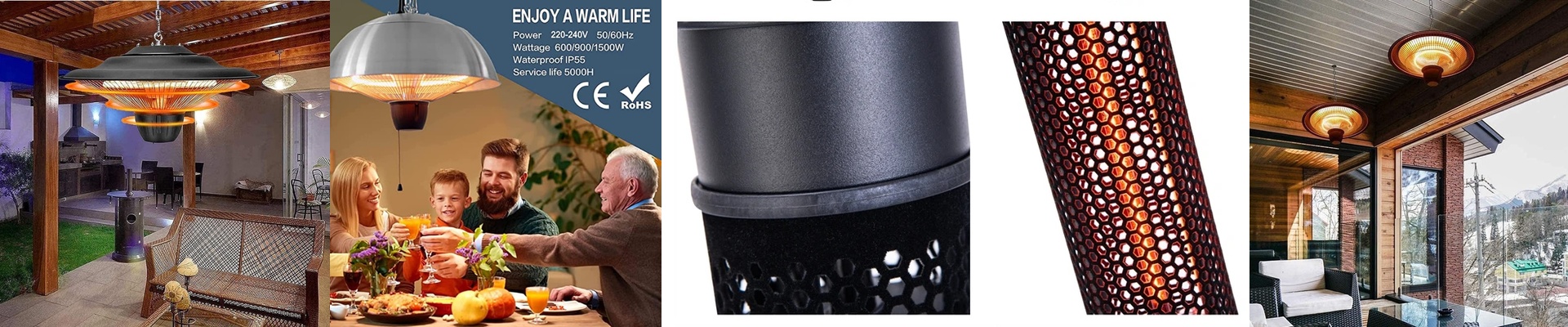
The Krones Contiform heater bulb is a 2000W infrared emitter, built to match the tunnel geometry and duty cycle of Contiform stretch blow molding machines. It’s engineered as a direct-fit replacement, with wattage density that keeps the heating curve consistent from zone to zone. The quartz envelope takes the abuse of rapid thermal cycling, and the R7s end-cap lines up with the standard holder so you can swap it without messing with fixtures. We match the filament geometry and spectral output so the temperature rise is repeatable and the output stays stable. That’s how you keep the same preheat profile after a changeover.
Why it holds up in real running
When the bulb is right, the preform temperature stays where the machine expects it. That keeps stretch ratios and blow pressures inside the window that produces stable bottles. In practice, you see fewer rejects from inconsistent wall thickness, and fewer micro-cracks that only show up later on the filler. The 2000W rating also supports faster cycling without the tunnel lag that forces you to throttle the machine back. Energy use tracks with output, and as long as the bulb stays within its rated parameters, you avoid the spikes that come from overdriving older or mismatched emitters.
What you need to keep in mind
Installation is straightforward, but alignment is everything. Make sure the bulb sits square in the reflector and the R7s contacts seat fully—misalignment will give you hot spots and uneven heating. Check the holder and wiring for clean, solid contact; high resistance at the connection shows up as voltage drop and uneven performance. Infrared bulbs have a finite life. Plan replacements around scheduled stops, and keep a spare on the shelf. That way you avoid unplanned downtime and keep heating performance consistent across the tunnel.