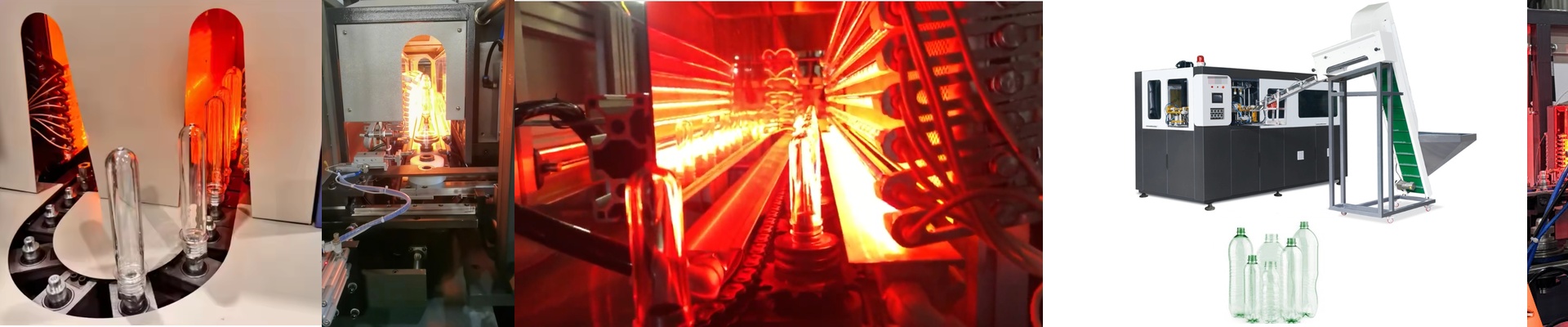
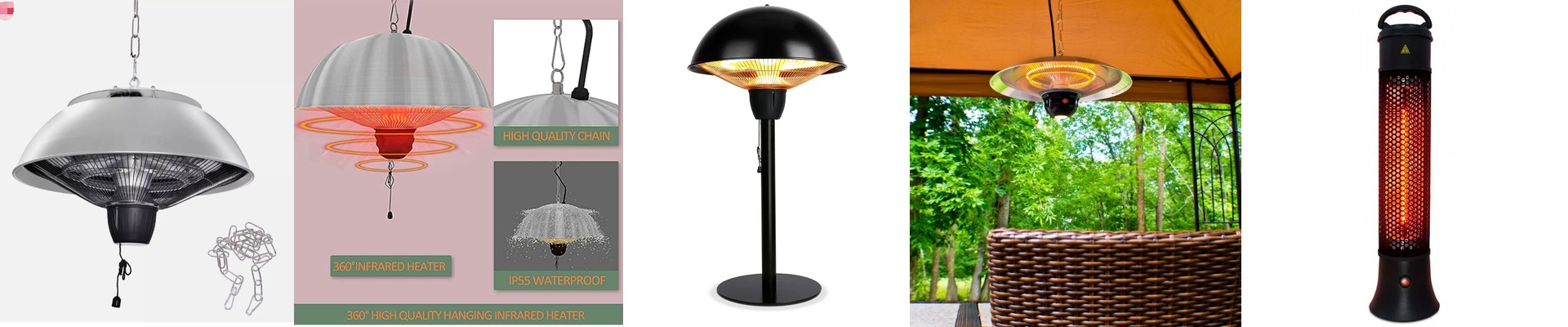

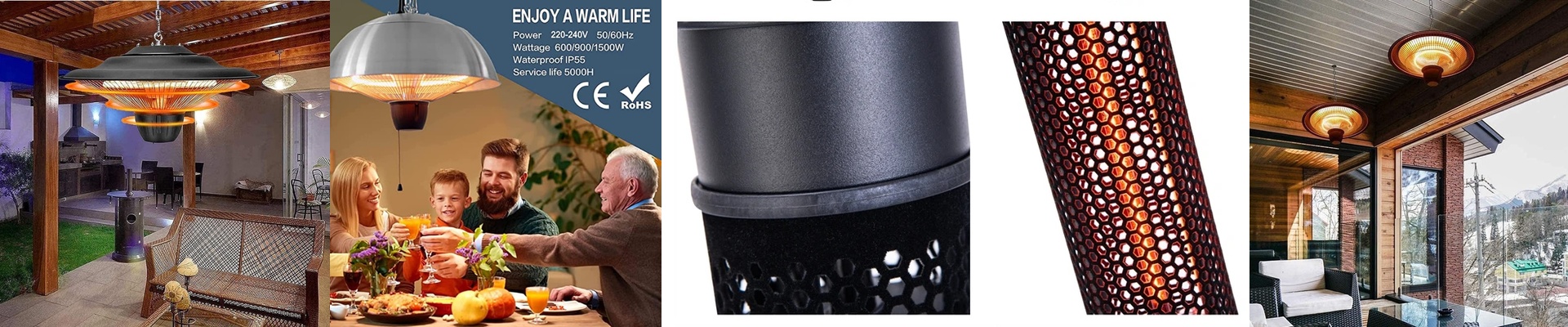
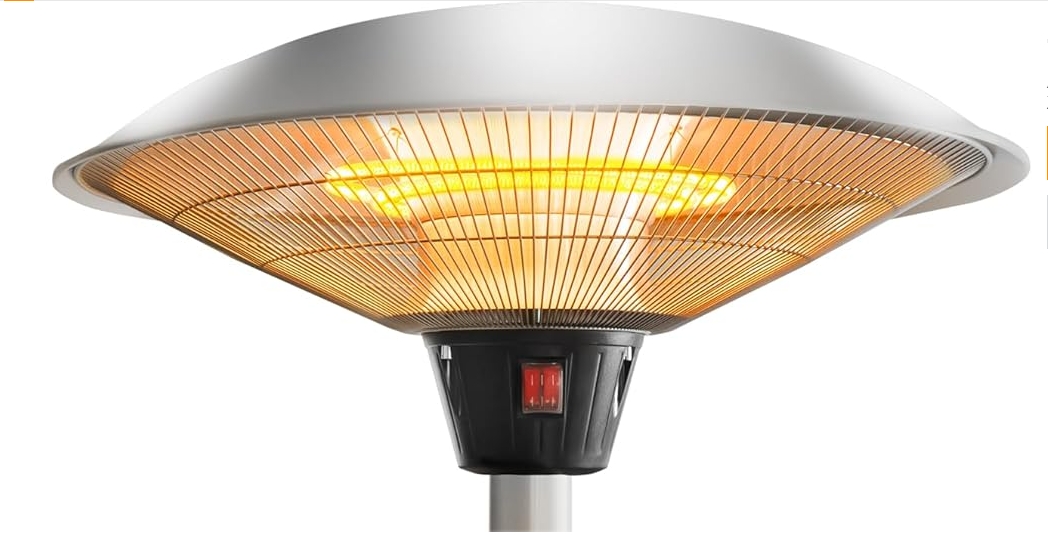
A warm bathroom comes down to pairing the right heat to the room, not just hitting a thermostat. For a small 3–5 m² powder room, a 300–400 W infrared quartz heater gets surfaces and air moving fast. In a bigger 8–12 m² family bath, step up to a 1000–1500 W model to keep the whole space comfortable. The payoff is simple: you only burn the wattage you need, and the warmth lands where you feel it most. Here’s what matters under the hood. Infrared quartz heaters deliver radiant heat straight to people and objects, so you feel it almost instantly. Make sure the unit matches your voltage and circuit—120 V for standard outlets, 240 V for higher-demand setups. Look for a sealed quartz tube and a reflector that throws the beam forward, not back into the housing. A built-in thermostat holds your target temperature, and an IP rating of IPX4 or higher tells you it can handle bathroom moisture. For safety, a tip-over switch cuts power if the heater gets bumped. Bathrooms are small, fast-changing spaces. Radiant heat warms you on contact, so you don’t have to heat the entire air volume to feel comfortable. That means shorter run times and lower energy use. With the right wattage, the mirror clears faster, towels feel warmer, and the floor stops biting your feet. You also get steady comfort without the drafts and noise that come from forced-air blowers. Match the heater to both room size and circuit capacity. A 1500 W unit needs a dedicated outlet, and a 240 V model usually means calling a licensed electrician. Keep clearances clean—at least 0.6 m from walls and 1.8 m above the floor—and never cover the heater. If your home has older wiring, consider a lower wattage or upgrade the circuit before you plug in. Used within those limits, an infrared quartz heater is a straightforward, efficient way to make every bathroom visit feel warm and welcoming.