
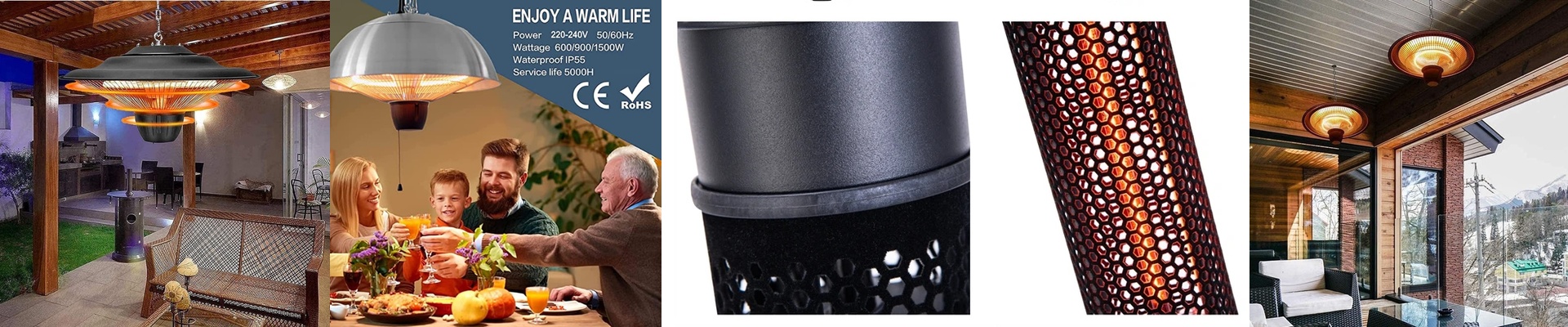
Design teams sketching for 2026 already get it: the outdoor room isn’t seasonal anymore. It’s a year-round space, and the moment the air turns crisp, the heating either makes the room or kills it. If the heat feels thin or takes too long to show up, the whole setup falls apart—guests drift back inside, and the patio goes quiet.
What matters under the hood
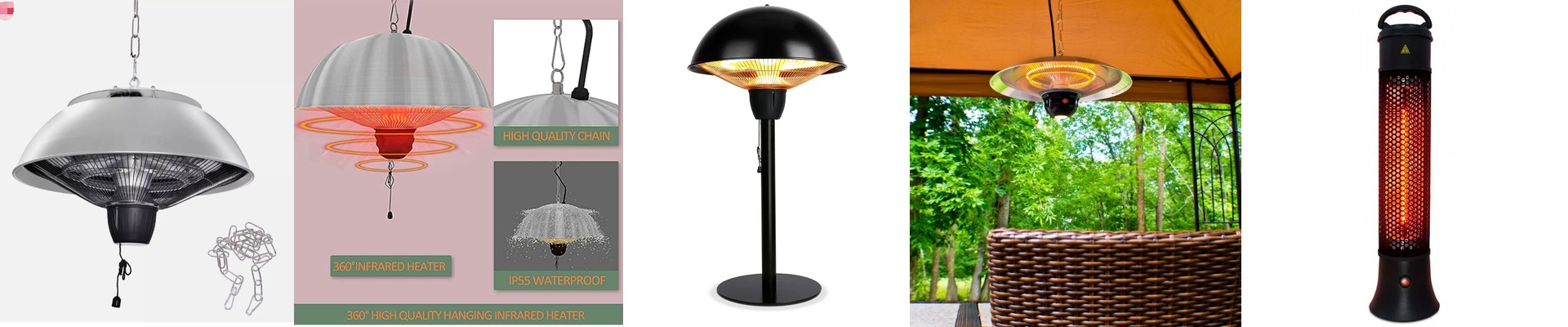
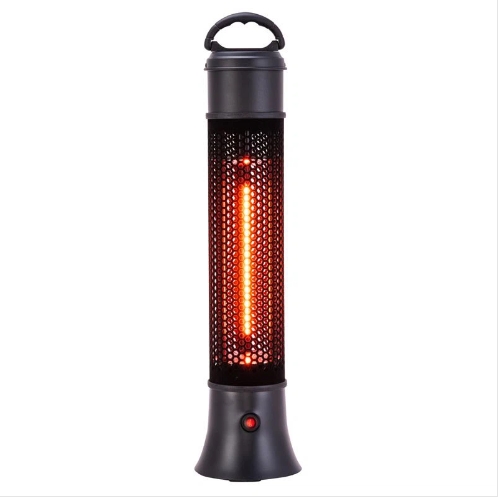
Sunlike infrared heaters deliver warmth the same way the sun does—radiant heat, not hot air. Inside, a carbon fiber element comes up to temperature fast and emits a broad infrared spectrum that travels straight to people, furniture, and surfaces. The payoff is immediate, even warmth that feels natural, not forced. We build the heating core around stable quartz components and pair it with a responsive thermostat, so output stays steady instead of swinging all over the place. In practice, that means fewer hot-and-cold swings, less noise from the unit, and a more consistent feel in the seating area.
Why this approach fits
If you’re aiming to lead the 2026 market, the product has to back up the design promise. A Sunlike infrared heater works because it makes comfort a tangible feature. Guests feel warmth the instant they step in, and the heat stays where it should—around people—instead of disappearing into the night air. For you, that translates into longer, repeatable outdoor sessions without guesswork. It also keeps the day-to-day effort down: the heater hits target comfort quickly, holds it steadily, and keeps energy use focused on what actually matters.
The practical details that matter
Sunlike infrared warmth performs best when you position the heater to radiate toward the seating area, not up into open sky. It warms people and objects directly, so drafts matter less—but line-of-sight matters more. Match the IP rating to your climate, and keep clearances clear; radiant heat needs room to spread evenly. One real-world note: because radiant heat warms surfaces first, the surrounding materials can feel warmer than the air temperature suggests. That’s part of the comfort—but it also means placement and thermostat settings deserve a quick check after installation, when you can feel how the space actually behaves.