
When the ticket board is moving and the order mix keeps flipping—pizzas to the deck, loaves to the rotary, pans into holding—heat has to land exactly where you need it, and it has to land fast. A convection oven that can’t keep up stretches bake times, dries out crusts, and turns holding into a crapshoot.
What matters under the hood
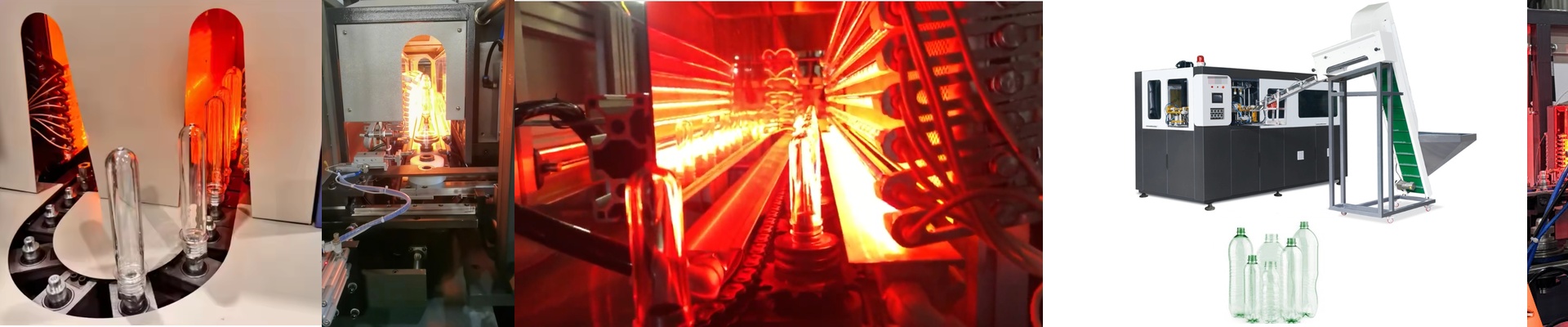
We run a frosted quartz infrared heater built for convection work. The quartz tube has high emissivity, and the frosted surface spreads the energy so you don’t get hot spots. Infrared hits the top layer fast, driving browning and caramelization while the oven’s airflow takes care of the bottom. The payoff is quicker recovery, tighter temperature stability, and results you can repeat shift after shift.
Why it fits the workflow
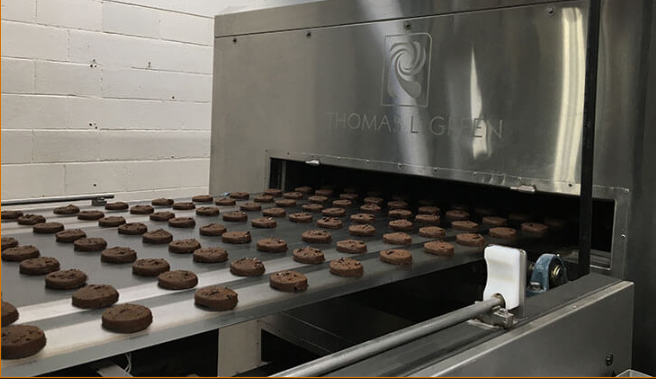
On pizza service, the heater comes up to temperature quickly, so the stone hearth gets consistent top-heat for a crisp crust without scorching. For bread, it supports a clean oven spring and a well-colored crust before the steam drops, without beating the crumb dry. And in food warming and retherming, it holds setpoints steady, so plates stay plate-ready instead of drifting into overcook. You end up with shorter bake windows, fewer pass-backs, and less energy burned per cycle.
The practical details
Installation is straightforward, but the heater performs best when it’s matched to the oven’s voltage, mounting spacing, and airflow direction. Clearance matters, too—make sure you can service it without fighting the unit. In very dry bake modes, infrared can drive surface heat hard. A quick burst of steam or a small tweak to airflow keeps the crust balanced. Pair it with a solid thermostat and you’ll see the difference in consistency, speed, and energy use—right there on the daily board.