
How These Infrared Heaters Actually Work
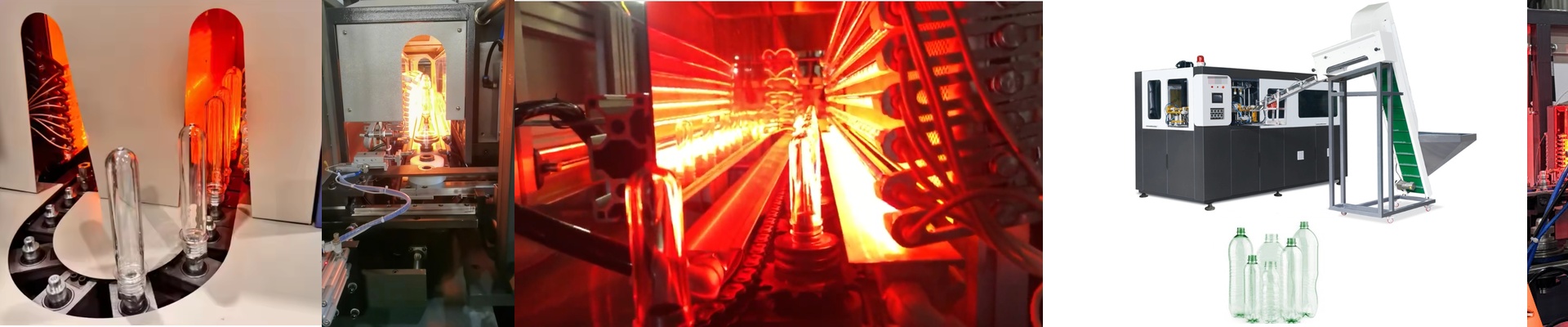
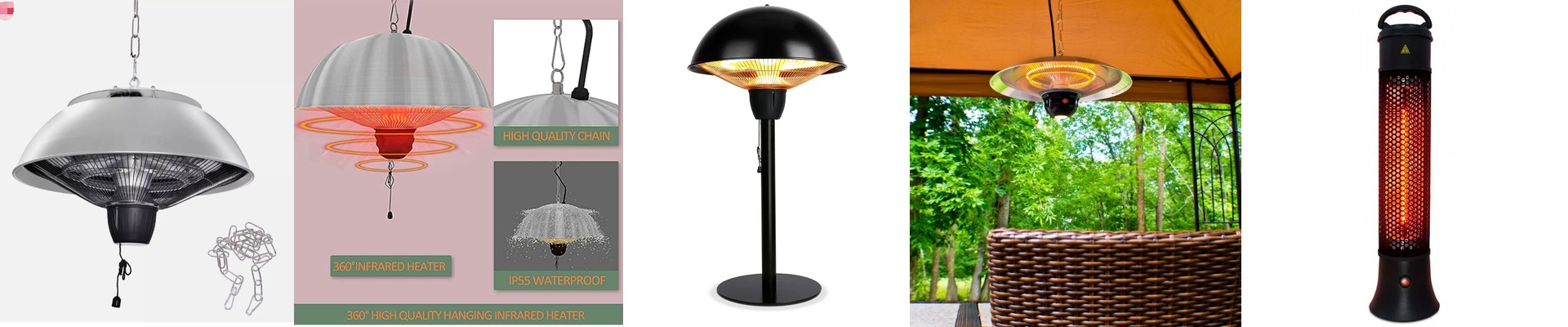
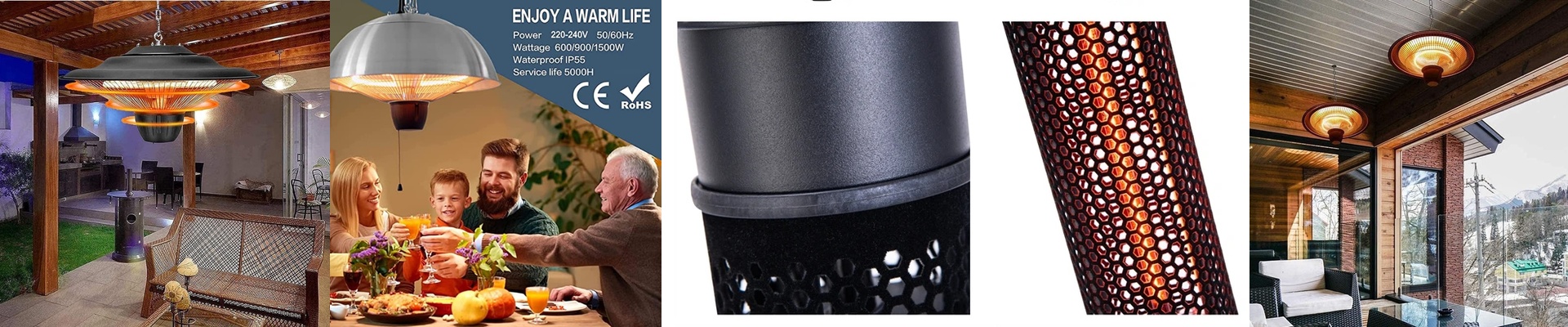
Let’s get straight to the point: our industrial infrared heaters are built to hit a target with heat, not to warm the whole room. Think of it like sunlight. The heat comes straight from the unit and lands directly on what you need warmed. The distance between the heater and the object is everything. Move the heater farther away, and the beam spreads out, losing its punch.
The Secret is in the Setup
The heater’s power is set by its wattage and voltage, plain and simple. But how that power actually reaches your target comes down to geometry. We give you a recommended installation height for a reason: it’s the sweet spot that balances the beam’s spread with the heat density you need. Go too high, and the energy gets thin—you lose the intensity. Go too low, and you risk scorching a hot spot. The goal is to match the heater’s angle to the area you’re working on, so all that power goes exactly where you want it, with zero waste.
Built Tough for the Shop Floor
These aren’t delicate. Inside, you’ve got a halogen-filled quartz tube with a special reflective coating. This setup keeps the heating element scorching hot while the glass stays cool, pushing all that heat forward. The R7s connector is the standard here because it can handle the high temps and gives you a solid, two-point electrical connection. This is industrial-grade gear, made to take a beating and keep performing. Just one thing to keep in mind: that intense heat puts a load on the surrounding parts, so make sure whatever you’re mounting it on can take the heat.
Getting It Right on the Install
For the best results, angle the heater to follow the surface you’re heating. That’s how you get even coverage across the whole area. The installation height isn’t a guess—it’s calculated to give you the power density we designed for. Get it right, and the heater performs like it should. Get it wrong, and you’re just burning electricity for nothing. It’s a direct, no-nonsense approach to industrial heating.
The Reality of High-Power Heat
A high-wattage infrared heater delivers intense, focused heat. That’s exactly what you need for tough industrial jobs, but it also means the space right around it gets hot. Plan your installation with that in mind, and make sure you leave proper clearance and cooling space for any equipment nearby.
Setting It Up for Peak Performance
When you’re wiring it up, set the height based on the heater’s wattage and the size of what you’re heating. For example, a 2500W unit needs more distance than a 1500W one to cover the same area evenly. Then, adjust the angle to focus the beam. That’s how you set the job up for maximum efficiency and consistent results.
The Bottom Line
The installation height directly controls the heat intensity. Follow the guidelines, and the heater does its job. This isn’t guesswork—it’s engineering. We provide the power; you provide the proper setup. Match the height and angle to the task, and the whole system works as intended.
A Few Key Reminders for the Shop Floor
***Don’t wing the height.**Measure it. ***Distance kills intensity.**The farther away, the weaker the heat. ***Angle directs the energy.**Get it right for even coverage. ***Efficiency is about precision.**It’s not just the unit, it’s how you install it. ***The setup determines the outcome.**In the field, that’s the bottom line. The heater is the tool. The setup makes it work. Install the unit to match the job specs, and you’ll get the performance you need.