
How These Heaters Actually Work
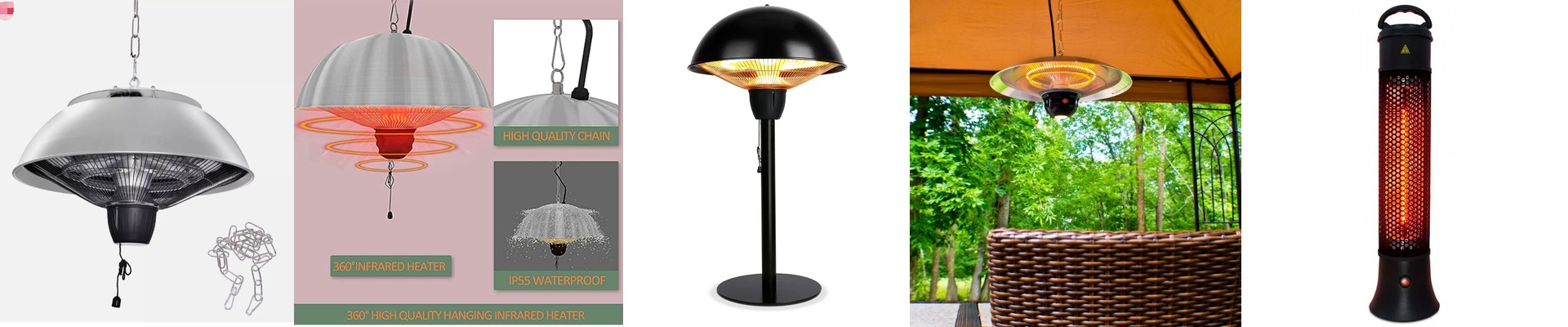
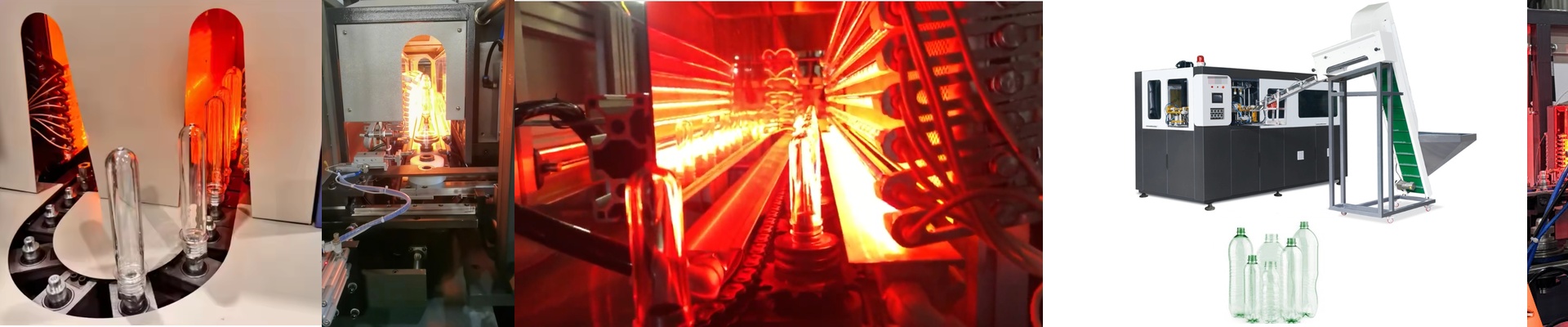
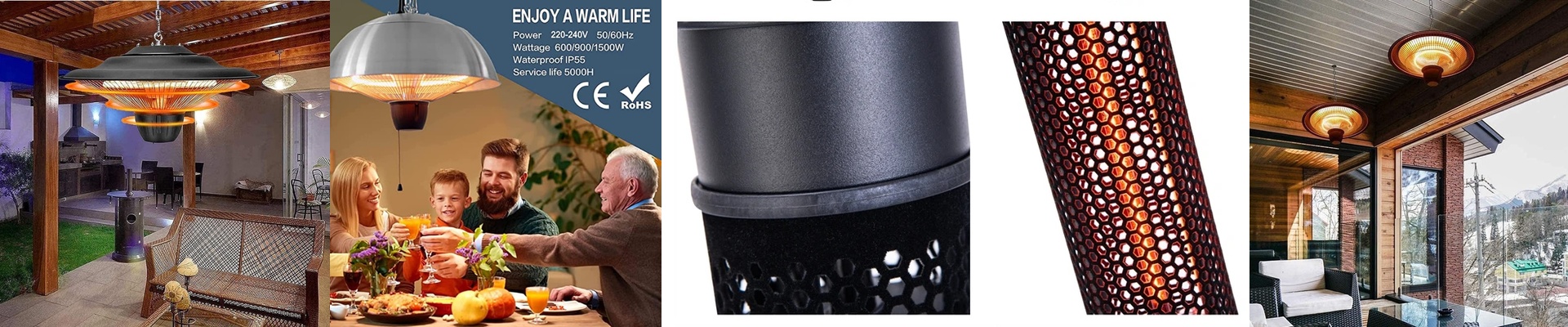
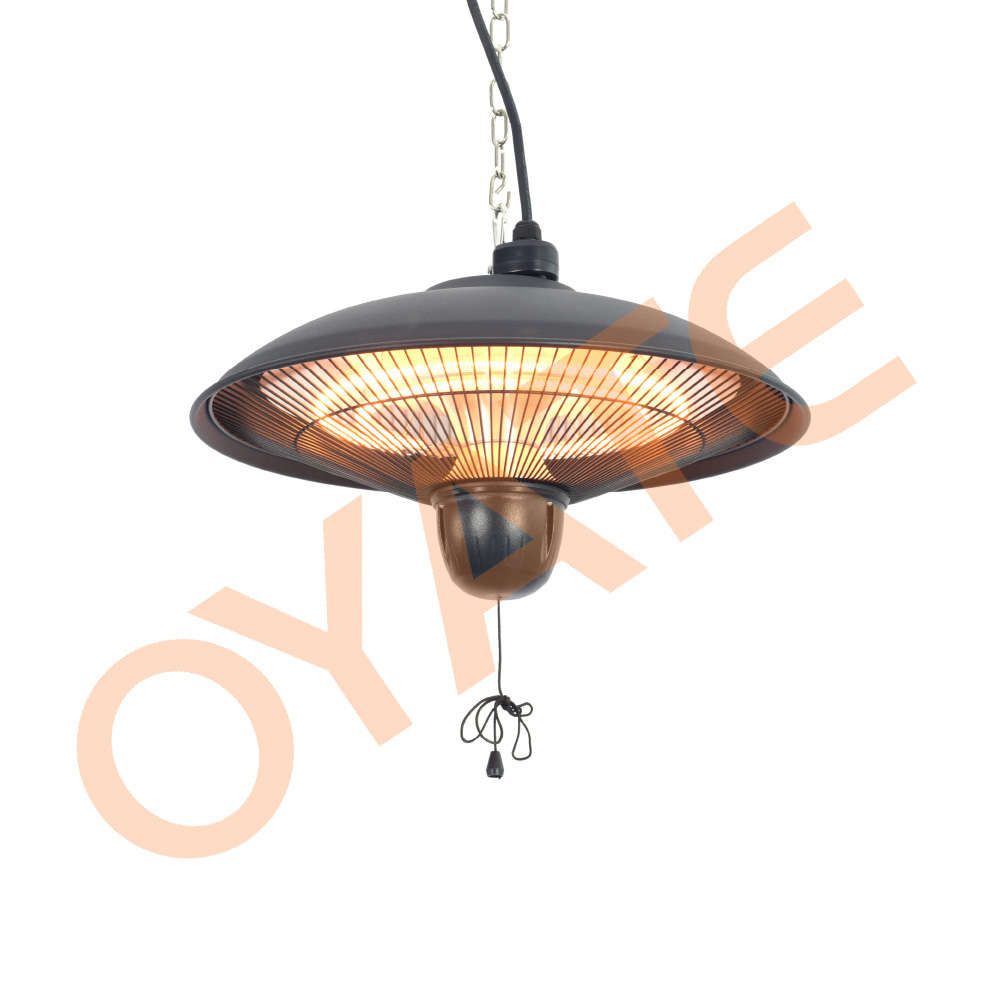
Here’s the heart of it: these infrared fan heaters are built around a powerful halogen lamp. It runs on either 230V or 400V and cranks out between 1000W and 2500W. The tube length is chosen to match the heat load, with 300mm and 600mm being the common sizes. And that fan? It’s not just about making the room feel cozy. It pulls air across the hot lamp to keep the tube temperature steady and stop things from overheating. That’s how the whole unit stays safe, even when it’s been running for hours.
The Sneaky Way Dust Makes Your Bills Rise
You know that thin layer of dust on the heating element? It quietly pushes your energy use up. Dust acts like a blanket, blocking the infrared radiation and trapping heat. So the heater has to pull more current just to hit the temperature you set. The fan motor ends up working harder, too. The result? You can feel the heating response drop, and you’ll definitely see the power draw climb.
Keeping It Running Strong: Simple Maintenance
It’s nothing complicated, but it does need to be done on a schedule. Start by shutting the unit off and letting it cool all the way down. Then gently wipe the lamp tube and reflector with a dry, lint-free cloth—no solvents, no water. Check the R7s lamp contacts for oxidation, and clean them with isopropyl alcohol if they look dull. When the lamp’s brightness falls below 85% of what it should be, swap it out. Pushing a lamp past its life risks uneven heating and can cause the thermal cutout to fail early.
The Real-World Trade-Offs
These heaters throw focused heat fast. That’s the upside. But they don’t love being blocked. Keep the intake and exhaust paths clear. Because the heat density is high, the area around the unit warms up, so place it where air can move freely and the housing can shed heat properly. Think of the lamp as something you’ll replace now and then. Keeping a spare on hand means less downtime. Clean lamp. Clean contacts. A fan that can breathe. Get those three basics right, and you’ll keep energy use in check and stretch the life of the heater.