
Built to Last: Why Our Ceiling Heaters Don’t Just Burn Out
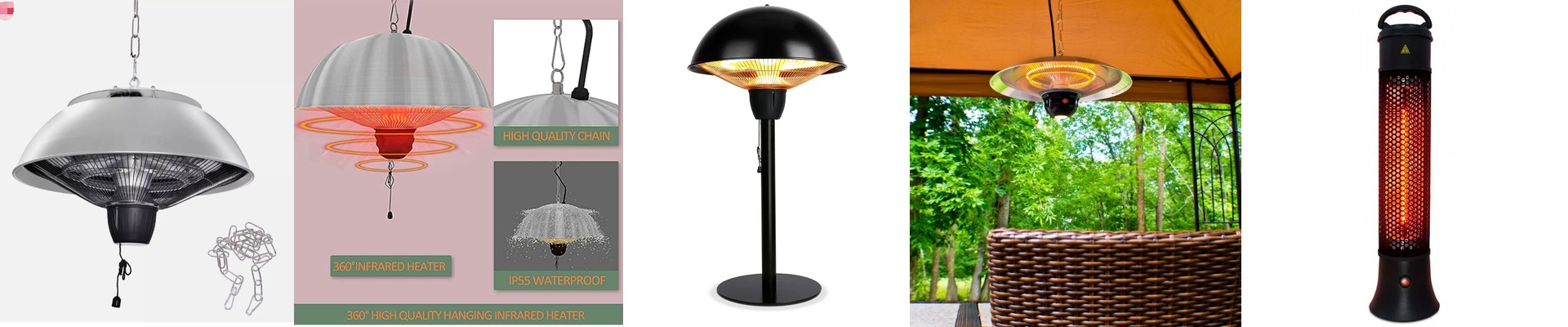
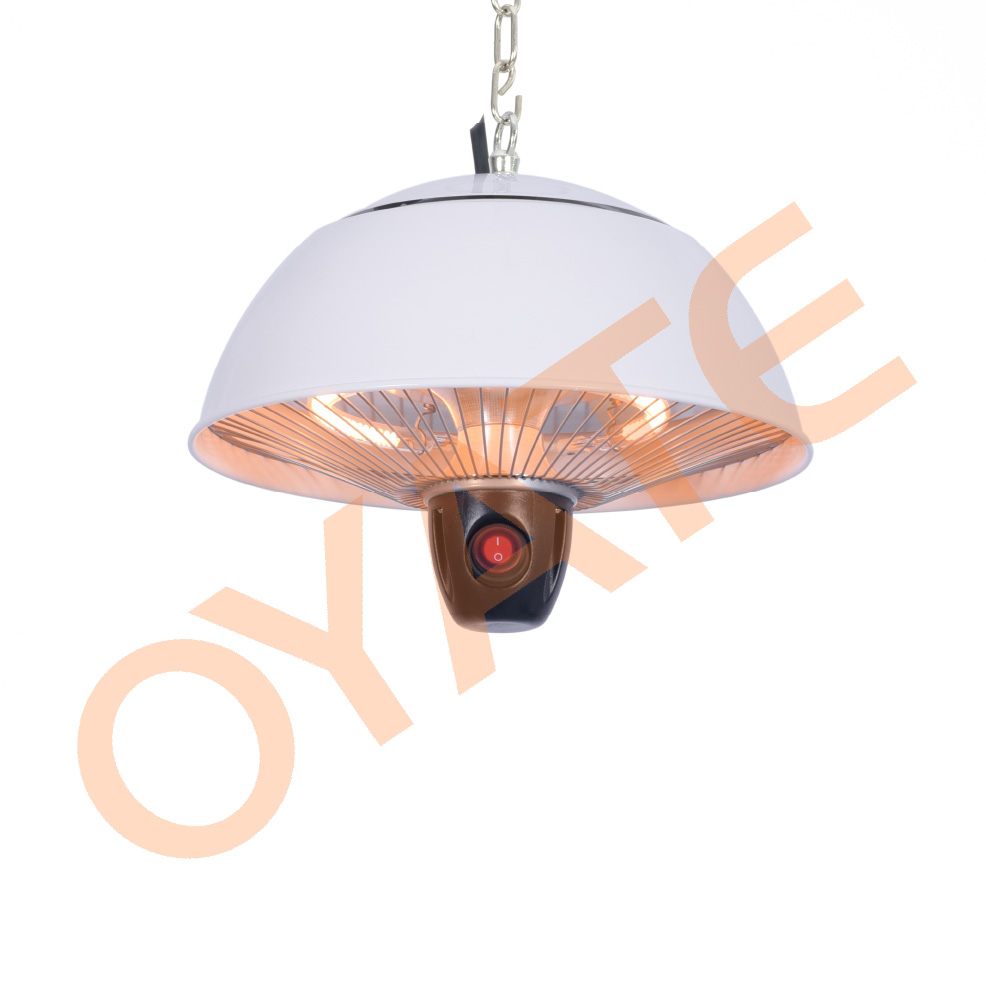
Let’s be honest—factory ceilings are a nightmare. Between the floating dust and the constant humidity, it’s a rough place for electronics. Usually, all that grime settles right on the heating elements, creating these nasty hotspots that fry the tubes way faster than they should. We got tired of seeing that happen. So, we built our infrared heaters to actually survive the environment they’re put in. The battle against fog and cracks Here is the deal with high-wattage quartz tubes: they hate moisture. Imagine a cold lamp covered in tiny water droplets. The second you flip the switch and it ramps up to full heat, that thermal shock can literally crack the glass. It’s a quick way to kill a heater. To stop that, we added a specialized anti-fog coating and sealed up the housing. It keeps the moisture out and the heat moving evenly. No more random overheating, which means your filaments actually last. Keeping the wet stuff out If you’re running a machining area or a wash-down zone, you know things get messy. We designed the chassis to be splash-proof because the last thing you need is liquid seeping into the electrical terminals. We sealed the wiring junctions and used housings that don’t rust. It basically means the units can take a beating in a humid shop without the insides corroding or short-circuiting. The honest trade-off Now, there is a catch. When you add protective shields and seals, you lose a tiny bit of that raw, direct infrared heat you’d get from a bare tube. It’s a trade-off. You might want to go with a slightly higher wattage or mount the unit a bit lower to get the same warmth on the floor. But for us, that’s a fair deal. We built these for the people who are tired of replacing heaters every few months. By protecting the guts of the machine from fog and splashes, the only thing that eventually wears out is the filament itself—which is just natural. Less time spent on a lift in the warehouse. Less downtime for your crew. That’s the goal.