
Stop Fighting the Draft: A Better Way to Heat Transition Zones
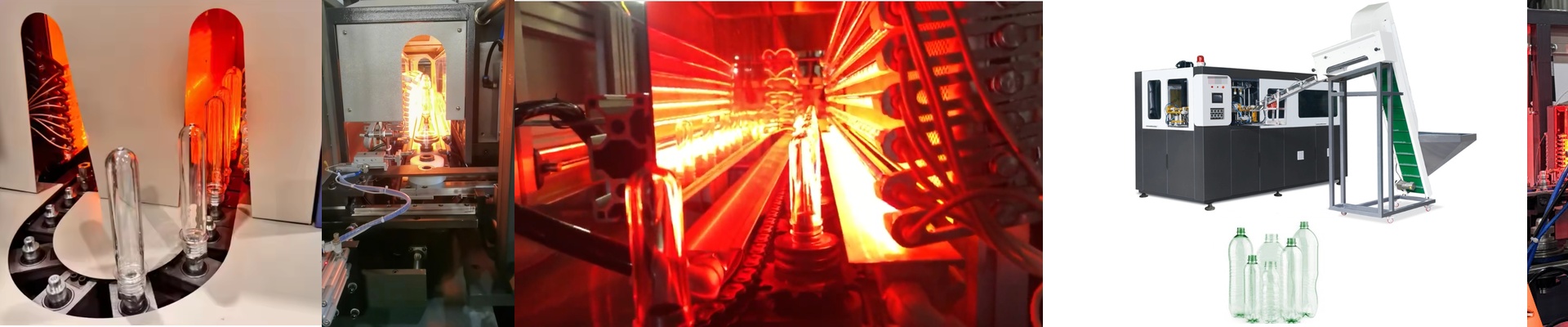
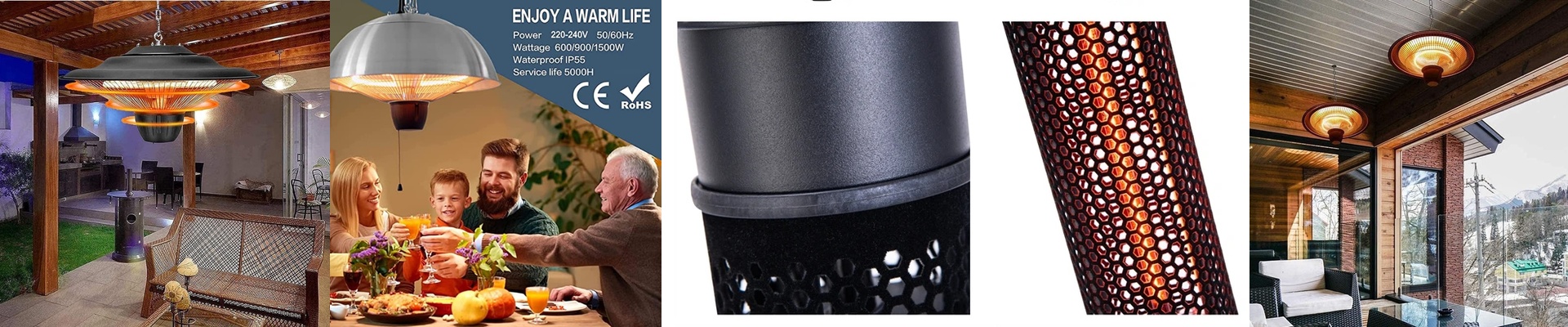
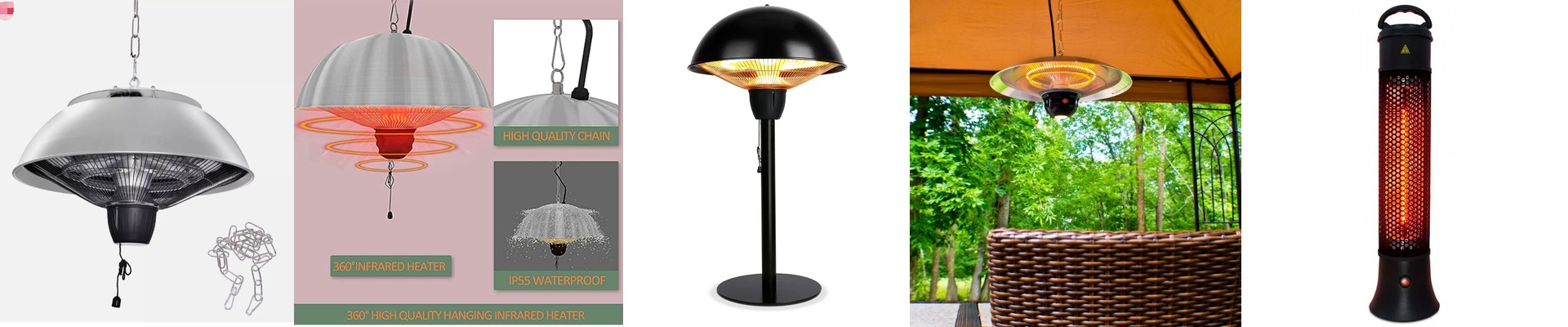
Ever stood in a locker room or a changing area and felt that biting chill, even though the heat is blasting? That’s because standard heaters try to warm the air. But air is sneaky—it rises. By the time the heat reaches the ceiling, you’re still shivering. That’s why we use ceiling-mounted infrared heaters. Instead of messing with the air, they send energy straight to you. It’s like stepping into a patch of sunlight on a winter day. You feel it instantly. How it actually works We use shortwave emitters. These things get incredibly hot to push out a concentrated beam of energy. Since it doesn’t need air to travel, there’s no waiting around for the room to “warm up.” When we wire these into the ceiling, the heat travels in a straight line. It hits your skin, converts to warmth, and boom—you’re cozy. The best part? You aren’t wasting money heating every cubic inch of a giant room; you’re just warming the people standing under the units. Getting the setup right If you’ve got high ceilings, these are a lifesaver. We usually wrap the emitters in reflective aluminum so the heat goes down where it belongs, not up into the ceiling pipes. But you have to be careful with the height. It’s a balancing act. Hang them too low, and you’ll create “hotspots” that feel like a heat lamp at a buffet. Hang them too high, and the warmth just fades away before it reaches anyone. The stuff nobody tells you Here’s the catch: these units are hungry for power. You can’t just plug them into a wall outlet and hope for the best. You’ll trip your breakers in minutes. They need their own dedicated circuits to handle the heavy lifting. And then there’s the dust. Because the lamps get so hot, they act like magnets for dust. If you let that grime build up on the glass, the heat becomes uneven and the tubes can burn out way too fast. It’s a simple fix, though. Just keep them clean, and they’ll keep people warm for years.