
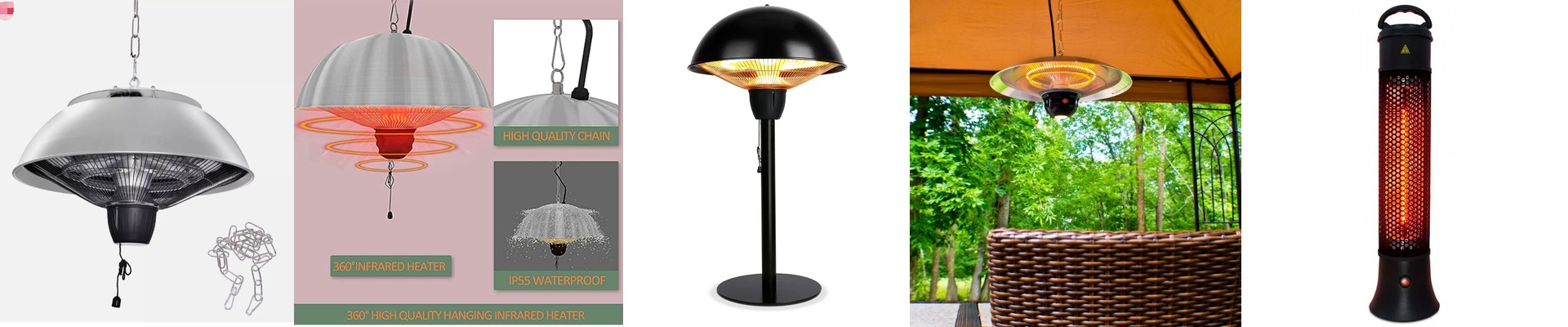
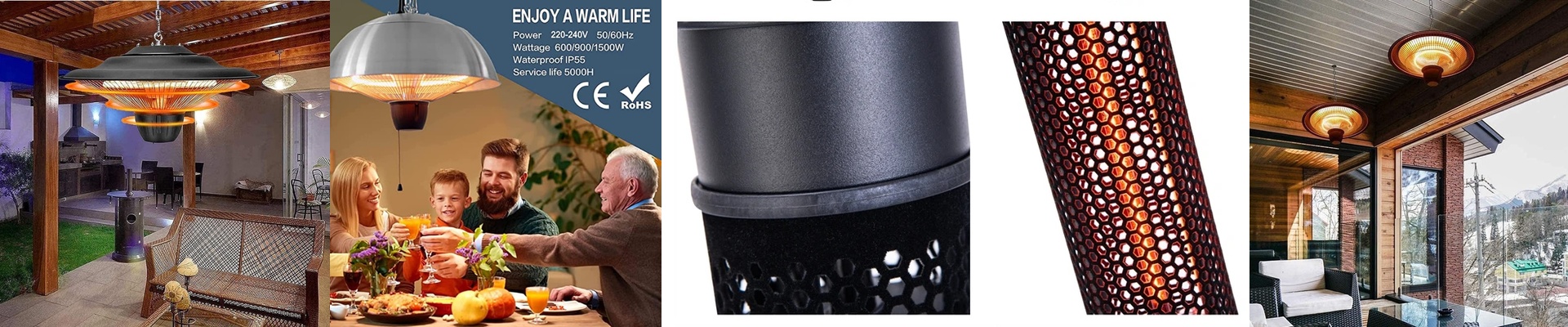
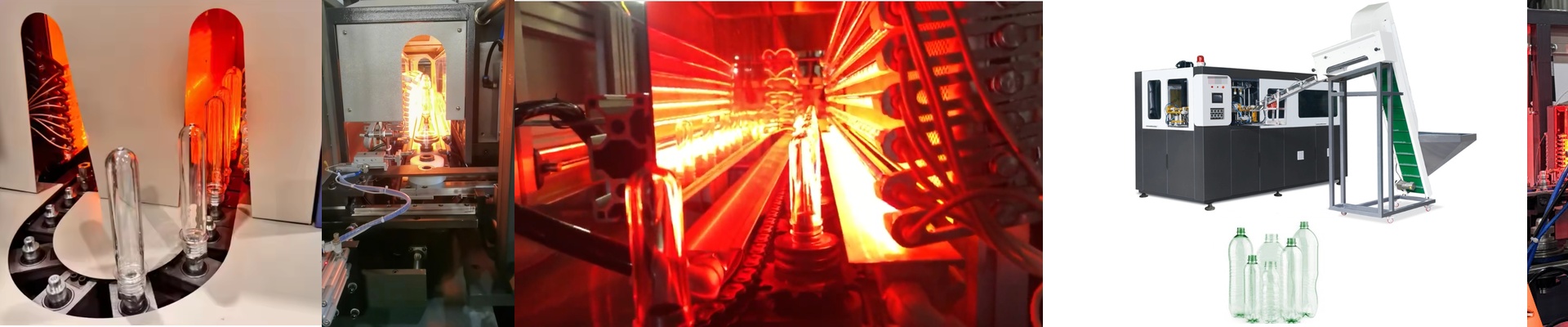
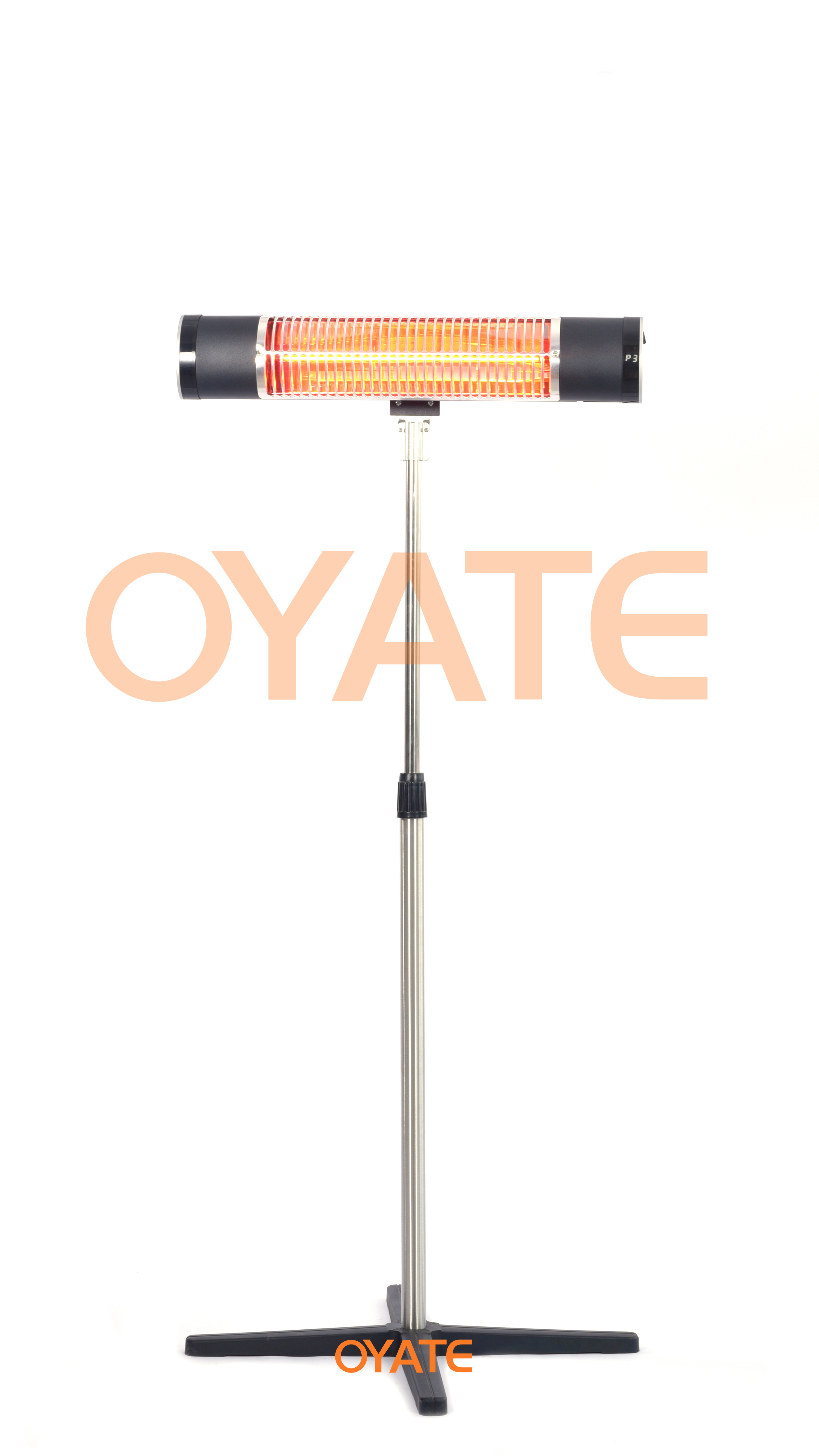
Why We Use Explosion-Proof Quartz in Bathroom Heaters
Think about your bathroom. It’s humid, it’s steamy, and it’s full of water. Now, imagine putting a glowing-hot heating lamp right in the middle of that. If you used regular glass, you’d have a problem. Fast. Standard glass just can’t handle the mood swings of a bathroom heater. It cracks.
The “Thermal Shock” Problem
Here is the thing: the second you flip that switch, the filament inside the lamp screams to life. It hits top temperature in a heartbeat. That creates a crazy temperature gap between the burning hot core and the outer shell. If a stray drop of cold water hits that hot glass?Pop. That’s why we go with explosion-proof quartz. It doesn’t really expand or shrink when the temperature swings. It just stays put. It’s the only way to make sure the tube doesn’t shatter while you’re stepping out of the shower.
Building a Safety Net
Putting a glass tube in a shower is always a bit nerve-wracking, which is why we don’t just use a basic tube. We use a reinforced structure. It’s basically an insurance policy. If something does go wrong and the glass fails, it doesn’t spray shards everywhere. Plus, it keeps the electricity tucked away from the moisture. Because, let’s be honest, electricity and wet floors are a bad mix.
The Trade-Offs
Most of these lamps use R7s connectors—those little snap-in bits that make replacing them a breeze. They’re great because they blast heat instantly, so you aren’t shivering while you dry off. But there’s a catch. To make the quartz “explosion-proof,” we sometimes have to use thicker walls or special coatings. This means you might lose about 5-10% of the raw heat compared to a cheap industrial tube. It’s a tiny dip in performance, but it’s a price we’re happy to pay to keep the lamp from blowing out during a temperature spike. If you’re installing these in a home, do yourself a favor and double-check the seal on the housing. The quartz is your last line of defense, but the outer chassis still needs to fight off the steam. And please, for the love of everything,wire it to a GFCI circuit. Better safe than sorry.