
Introduction
We built this ruby steam oven infrared heater for people who live and breathe thermal systems. You know the drill—those jobs where you need heat that switches on a dime and holds tight control. The whole point? Give you raw, high-intensity heat exactly when you need it, then cut it off clean. No overshoot. Just crisp, stepped temperature profiles that do exactly what you want.
Technical Deep-Dive
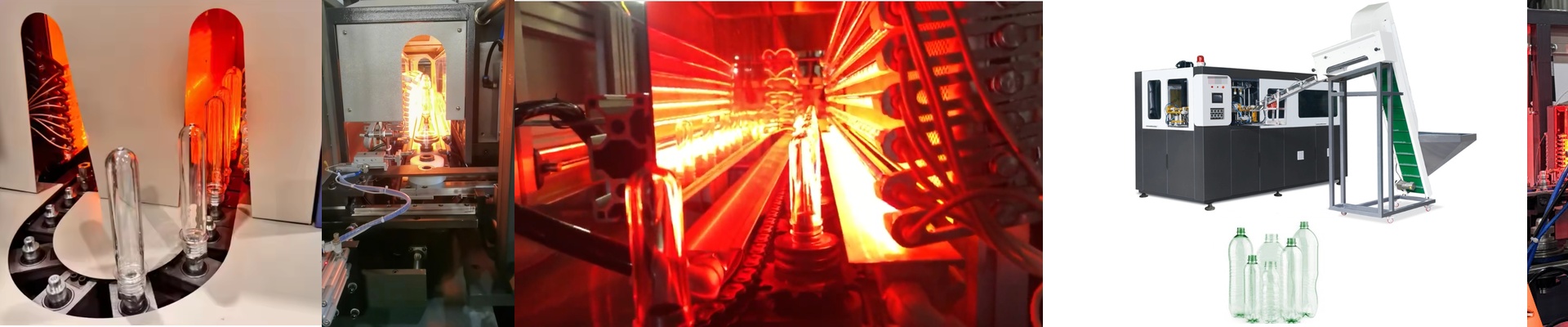
When you’re doing high-precision baking or steam-assisted cooking, the heat has to arrive fast and stay steady. That’s why we went with shortwave infrared. It packs a serious punch—high heat density that responds almost instantly. So you can do those quick start-stop moves that make staged heating ramps possible. Think proofing, crust setting, final browning—all without waiting around for a big chamber to catch up. And the electrical design? It holds steady at the right voltage, so the wattage stays consistent, even when you’re cycling on and off again and again.
Material & Design
The heating element sits inside a quartz tube, coated in a ruby tint. It’s not just for looks. That coating cuts down on glare while letting the infrared power through, which makes life easier for the operator and keeps things cleaner. Inside, a halogen filament runs hot and clean. It’s built to take the shock of rapid heating without burning out. Then there’s the R7s connector. It’s a straight-forward, industrial-grade fit that handles the current without fuss. You can wire this into your existing setup without tearing things apart.
Application & Benefits
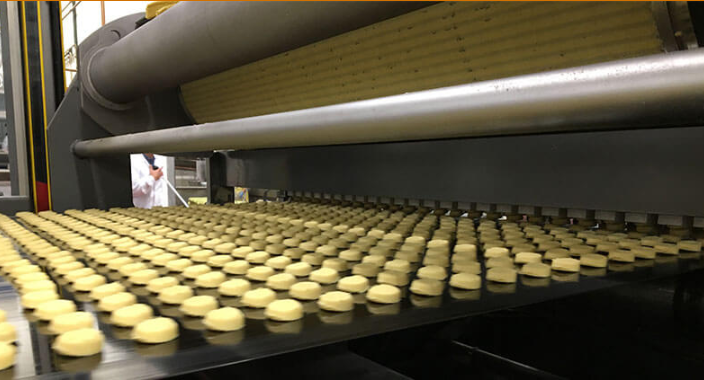
Out in the real world, this setup is a natural fit for ruby steam ovens. You can flip the heat on and off in seconds, nailing those stepped profiles without breaking a sweat. The shortwave infrared heat gets right where it needs to go, so you spend less time waiting for the surface temperature to stabilize. Now, here’s the honest part—that kind of heat density means you need cooling and ventilation that can keep up. Keep the chamber ambient in check, and protect the parts nearby. But when you get that right? You get control you can count on. Fewer hiccups in the process. And a heater that can handle the grind of high-cycle production, day after day.