

Keeping Infrared Heaters Safe in the Bathroom
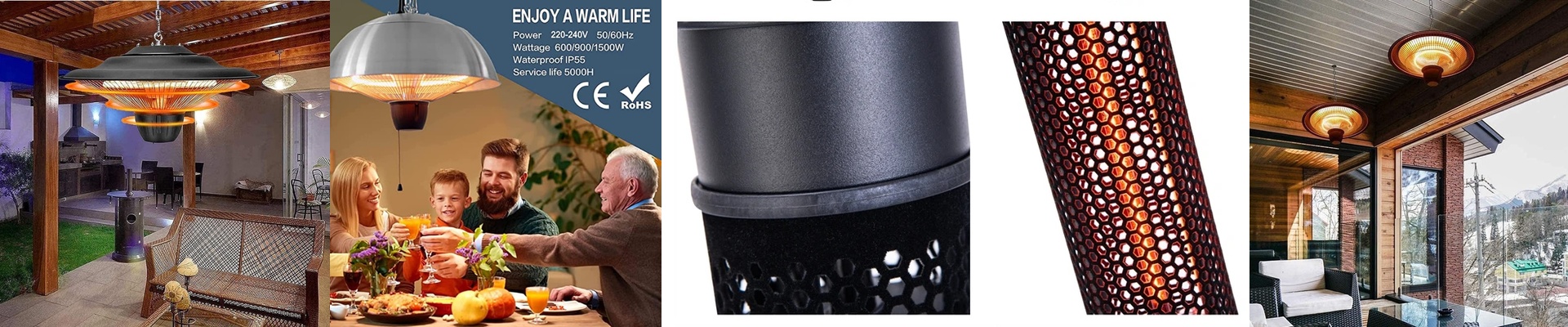
Putting an infrared lamp in a bathroom isn’t as simple as slapping a waterproof cover on it. You’ve got high-voltage heat elements sitting in a room full of steam and condensation. Water is always looking for a way to ground itself, and that’s a recipe for disaster if you aren’t careful. To keep things safe, you have to obsess over two things: the materials you use and how you seal the connections. The struggle with moisture Here’s the thing about humid bathrooms: a thin film of water forms on everything. On a lamp, that moisture can cause “tracking” or surface arcing. We use high-purity quartz glass for the envelope because it’s a great natural insulator. But the real headache? The connections. That’s where things usually go south. We use heat-resistant silicone seals or epoxy potting right at the electrode junctions. It keeps the vapor from creeping into the internal wiring. If that seal lets go, your RCD will trip instantly. Trust me, you don’t want that. Wiring and grounding You can’t just hope the heater chassis will handle the safety side of things. We always run a dedicated earthing conductor bonded straight to the metal housing. And the wires themselves have to be tough. They’re fighting two battles: the searing heat of the lamp and the dampness of the room. We stick with fluoropolymer (FEP) or silicone-insulated wires. Why? Because standard insulation will just crack or burn out after a few heat cycles. The balancing act There’s a catch, though. Tight seals are amazing for keeping water out, but they’re terrible for heat. If you seal the housing too tight to hit that IP65 rating, you might actually cook your own internal electronics or melt the wiring. It’s a bit of a tightrope walk. You need a seal that keeps the steam out but a heat-sink design that lets the housing breathe. Oh, and make sure your circuit breaker is rated for the specific inrush current of the element. Otherwise, you’ll be dealing with those annoying “nuisance trips” every time you turn the heat on.