
How to pick the right infrared heater for your bathroom
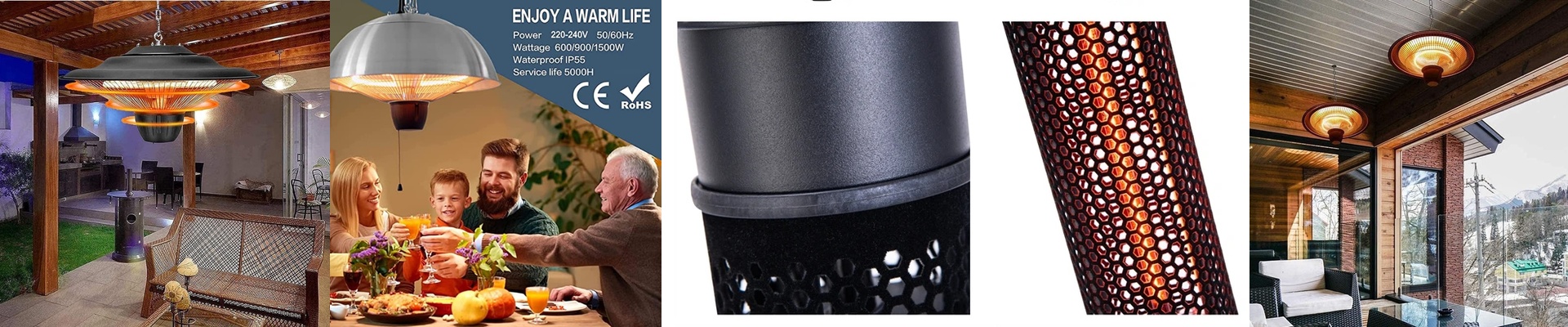
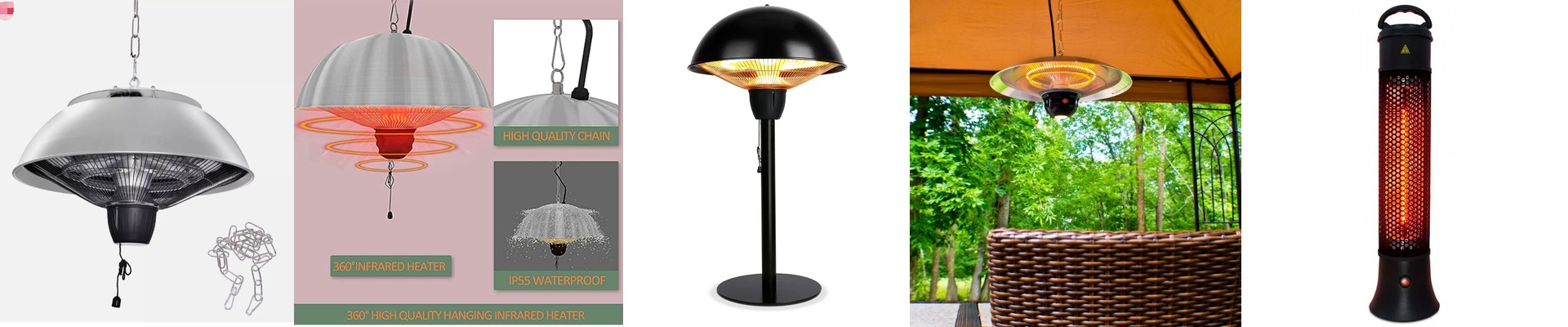
Here’s a common mistake: thinking that the biggest, most powerful heater on the shelf is the best choice. It’s not. If you go too small, your bathroom stays damp and chilly. But if you go overboard? You’re just throwing money away on your electric bill—and you might actually burn yourself. The trick is matching the wattage to the actual size of your room. Getting the power right Think about your space. A tiny powder room usually does just fine with 400W to 600W. It’s enough to keep things cozy. But if you’re dealing with a big master bath, you’ll probably need to jump up to 1200W or even 2000W to actually feel a difference. Then there’s the ceiling. Infrared heat travels in a straight line. It doesn’t float around; it beams down. So, if you have high ceilings—anything over 2.5 meters—a weak lamp will lose its punch before it even reaches you. You’ll need more wattage just to push that warmth down to where you’re actually standing. Avoiding the “Oven Effect” We use shortwave infrared because it’s instant. You don’t have to wait for the air to warm up; you feel it the second you flip the switch. It’s great, but high wattage can be intense. Imagine putting a massive 2000W lamp in a tiny bathroom. The spot directly under the light feels like an oven, while the corners stay freezing. It’s a weird, uncomfortable vibe. The fix is simple: split the load. Instead of one giant heater, try two 1000W lamps spaced apart. It spreads the heat around and stops those annoying hot spots. A few things to watch out for Before you start drilling, check your wiring. High-wattage lamps pull more current, and the last thing you want is to trip your circuit breaker every time you take a shower. Make sure your wires can handle the load. One last thing—these lamps get hot. Really hot. The quartz glass can reach high temperatures, so leave plenty of breathing room between the heater and your ceiling materials. You don’t want any scorch marks on your paint.