
Why you should swap those old bathroom heat lamps for IP66 Infrared
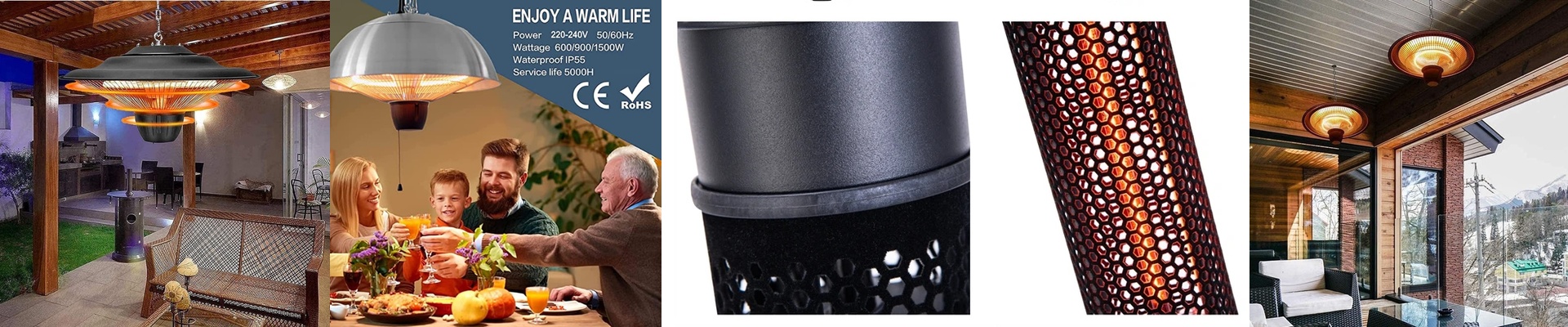
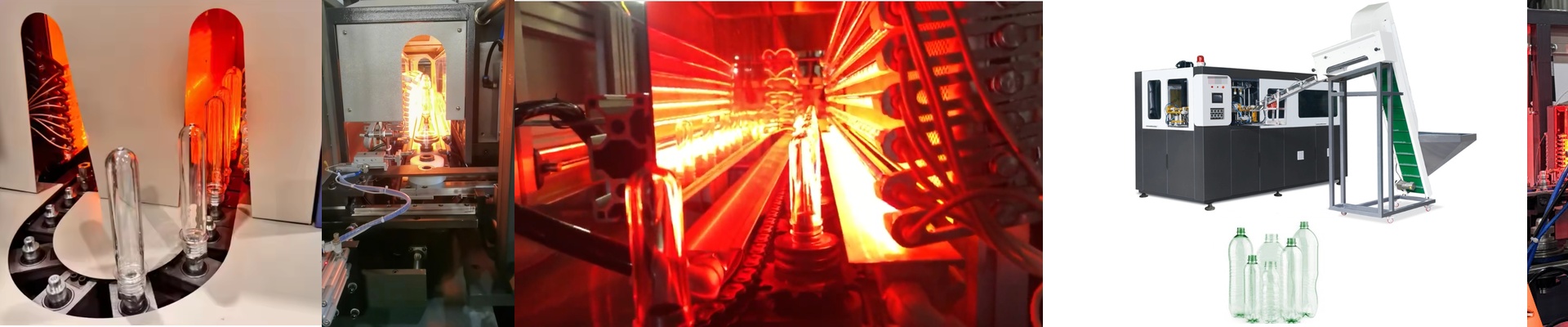
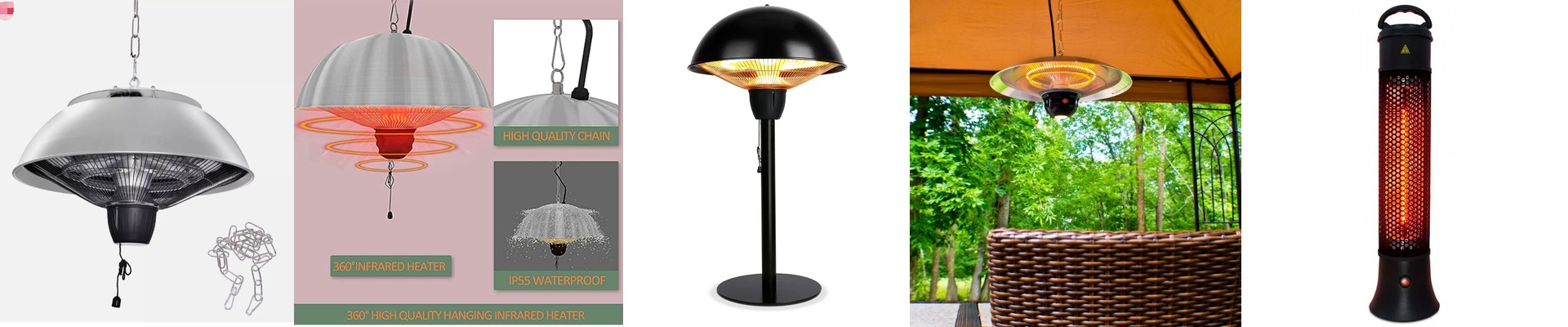
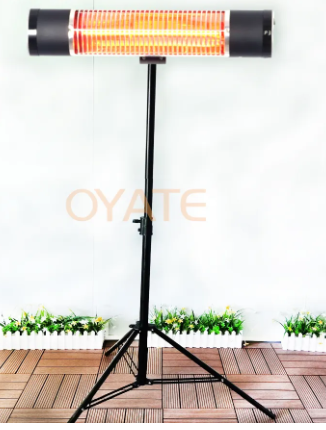
Let’s be honest: those old-school heat lamps in most bathrooms are kind of a gamble. They’re just not built for the amount of steam we’re talking about. That’s why so many people are switching over to IP66 infrared systems. It’s not about following a trend—it’s just basic physics and keeping your house from having an electrical meltdown. The deal with IP66 and steam If you see “IP66” on a box, it basically means the thing is sealed tight. No dust gets in, and it can handle a direct blast of water without blinking. Think about your bathroom. You’ve got condensing steam everywhere and the occasional splash. Standard heaters let that moisture sneak into the wiring. Over time, things start to rust, the elements oxidize, and then—pop—it shorts out. IP66 units use heavy-duty gaskets and tight cable seals to keep the guts dry. They just last longer because they aren’t rotting from the inside out. Warmth that actually hits you Most heaters try to warm up the air in the room. But in a cold bathroom, that takes forever. Infrared is different. It doesn’t waste time with the air; it sends out energy that hits your skin directly. It feels like stepping into a patch of sunlight on a winter morning. It’s instant. We use short-wave infrared for these because it packs a lot of heat into a small space. You don’t have to stand there shivering for ten minutes waiting for the room to warm up. The trade-offs Now, there are a few things to watch out for. These lamps gethot. Like, really hot. Because the heat is so concentrated, you can’t just slap them anywhere. You have to be smart about where you mount them so nobody accidentally touches the chassis and gets a burn. Also, because the unit is sealed so tight to keep water out, it doesn’t “breathe.” In cheap heaters, that trapped heat can fry the internal wires. To fix that, we use high-temp silicone wiring. It handles the heat without degrading, so the unit doesn’t eat itself over time. The reality of installing them If you’re swapping these in, don’t just wing it with the wiring. You need a dedicated GFCI outlet. These units pull a decent amount of power to get that instant heat going. If your wiring gauge is too thin, you’ll see a voltage drop, and you won’t get the performance you paid for. It looks like a simple drop-in replacement for your old heater, but your electrical load is going to be higher. Just make sure your wires can handle the heavy lifting.