

Making Your Ceiling Heaters Actually Smart
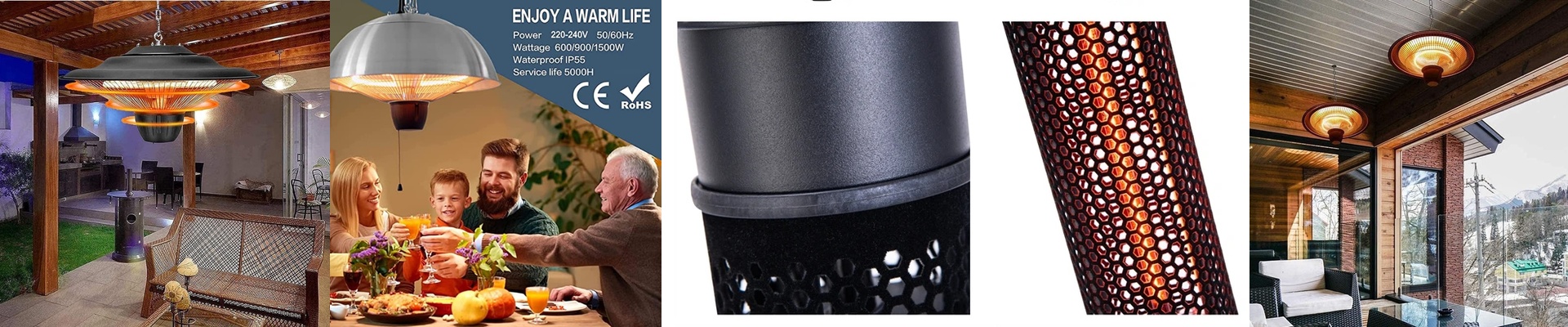
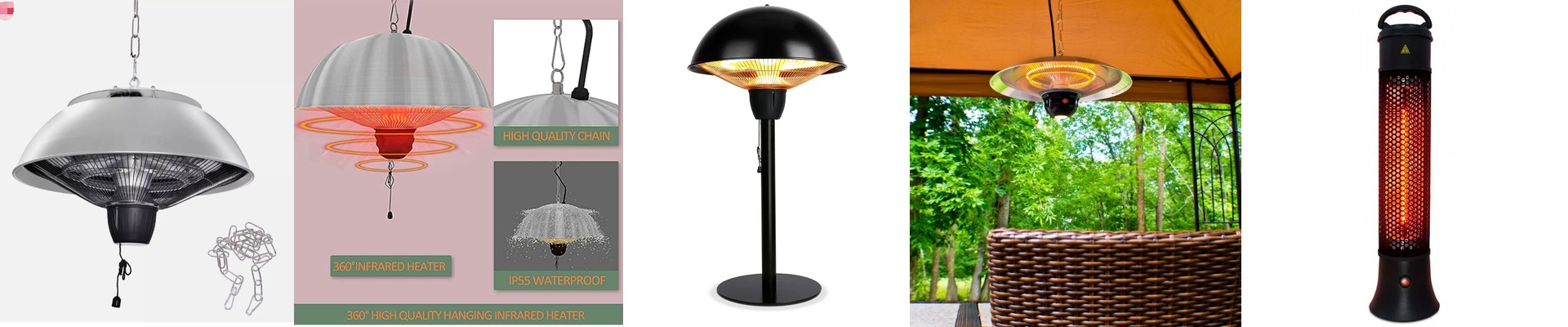
Most heaters just blow hot air around the room, which is a waste. You end up heating the ceiling and the empty corners of the room while you’re still shivering. Recessed infrared heaters are different. They beam heat directly onto you and the things around you. It’s more like standing in the sun on a crisp autumn day. But the real magic happens when you stop flipping a wall switch and let your smart home handle the heavy lifting.
The Nitty-Gritty Hardware
Here is where people usually mess up. You can’t just plug these into any old smart plug and call it a day. These heaters—especially the shortwave and medium-wave ones—pull a lot of power the second they kick on. If you use a cheap, low-rated relay, the contacts can literally weld themselves shut. Not great. To avoid a meltdown, stick with heavy-duty Solid State Relays (SSRs). They handle the load without wearing out, and they don’t have moving parts to break.
That “Instant” Warmth
The best part about infrared? There’s no waiting. Water-based radiators are a slog; you turn them on and wait an hour for the room to feel cozy. With IR, it’s almost instant. We usually hook these up to IoT gateways using Zigbee or Matter. The second a sensor notices you’ve walked into the room or the temperature dips, the system dumps power into the element. You feel the warmth on your shoulders immediately. It’s a great feeling.
A Few Things to Watch Out For
It’s not all plug-and-play. Putting smart controllers inside a ceiling cavity adds a bit of a headache. Electronics hate heat. If you cram a driver into a tight, unvented space, the controller might overheat and trip the thermal cutoff just to save itself. You have to make sure there’s enough breathing room in the ceiling for the air to move. Balance your wattage with your airflow, or you’ll be replacing burnt-out electronics. Once you get that sorted, the lag of a traditional HVAC system just disappears. You get heat exactly where you are, exactly when you need it.