


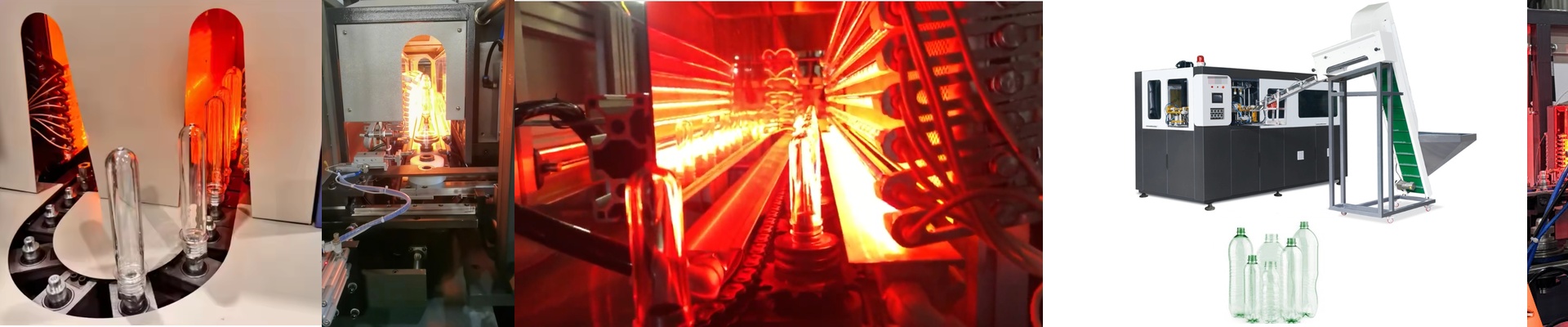

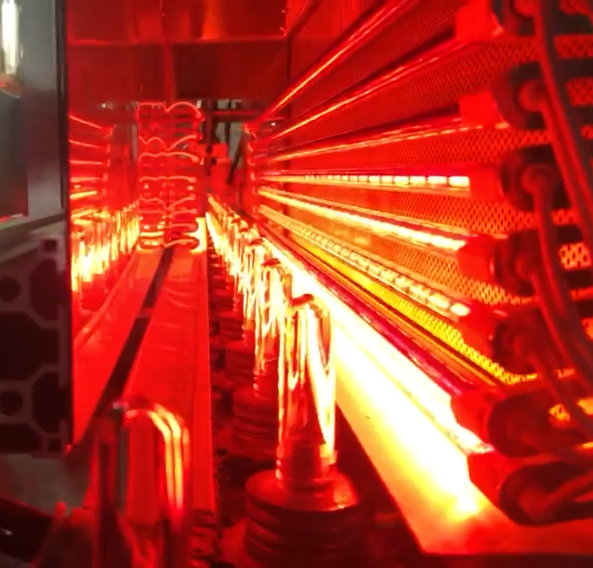
Stop Overpaying for PET Blowing Lamps
If you’re running Krones Contiform or Sidel Matrix B2B lines, you know the drill. It’s a constant fight against thermal drift and lamps that burn out right when you can’t afford the downtime. But here’s the real kicker: the price of OEM lamps. Let’s be honest—the markup is wild. You’re often paying way more for the brand name than the actual glass and filament are worth. That’s why we made a drop-in replacement. It does exactly what the original does, hits the same spectral output, but doesn’t eat your entire maintenance budget.
How the heat actually works
These are shortwave IR lamps. Inside, there’s a high-density tungsten filament wrapped in a halogen gas mix. That gas is the secret sauce—it lets the lamp run hot without the filament evaporating and popping too soon. When you’re looking at a Matrix B2B, it all comes down to the wattage-to-length ratio. You need a ton of heat packed into a short tube. That’s the only way to soften those PET preforms fast enough before they hit the blow mold.
The “Fit” Factor
We use precision quartz glass because these things go through a brutal cycle of heating up and cooling down. But the real headache is usually the connectors. We use standard R7s or Sk15 bases, depending on your wiring. Why? Because if the fit is off by even a tiny fraction, you’re asking for trouble. You’ll end up with uneven heating or, worse, electrical arcing at the terminals. Not a great way to start a shift.
A few things to keep in mind
You’ll get the same BTU output as the OEM lamps, but remember: high-wattage shortwave lamps pull a lot of power. If you’re pushing your machines to the limit to shave seconds off your cycle speeds, do your cooling fans a favor and keep them clean. And here is a pro tip: check your reflectors every 1,000 hours. If they’re covered in dust, it doesn’t matter how good your lamps are. The heat will just soak into the machine frame instead of hitting the preform.**Clean reflectors mean faster cycles.**Simple as that.