
Fixing the Heat Mess in Your KHS Blow Molding
Ever deal with those annoying wall thickness variations or bottles that just look… off? It usually comes down to one thing: your heating isn’t uniform. When the thermal field is all over the place, your PET preform doesn’t stretch the way it should. I’ve spent plenty of time in plants where “hot spots” or cold zones are a constant headache, forcing the crew to slow down cycle times just to keep the quality decent. It’s frustrating.
It’s All About the Filament
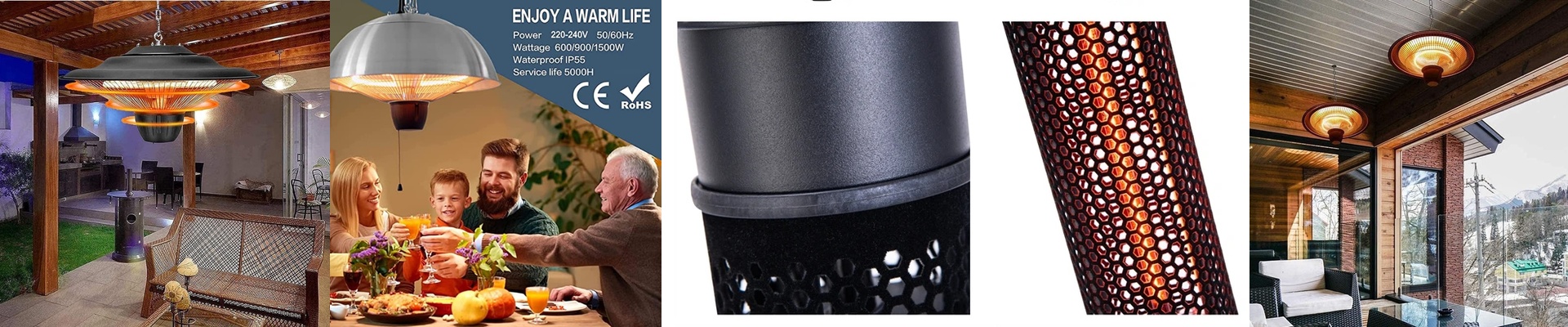
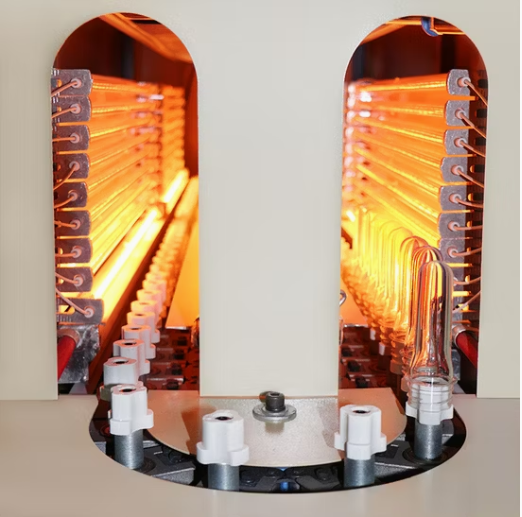
Getting a flat heat profile isn’t just about cranking up the wattage. It’s actually a lot more precise than that. It comes down to how the filament is centered and the purity of the quartz glass. We make our IR lamps with incredibly tight tolerances on that filament position. Why? Because if that filament shifts by even a single millimeter, the whole radiation pattern moves. That’s where those uneven streaks on your preform come from. Our high-end tubes are built to slide right into KHS or Krones specs. We focus on the spectral output so the energy actually sinks deep into the PET, instead of just scorching the surface and leaving the inside cold.
The Nitty-Gritty Hardware
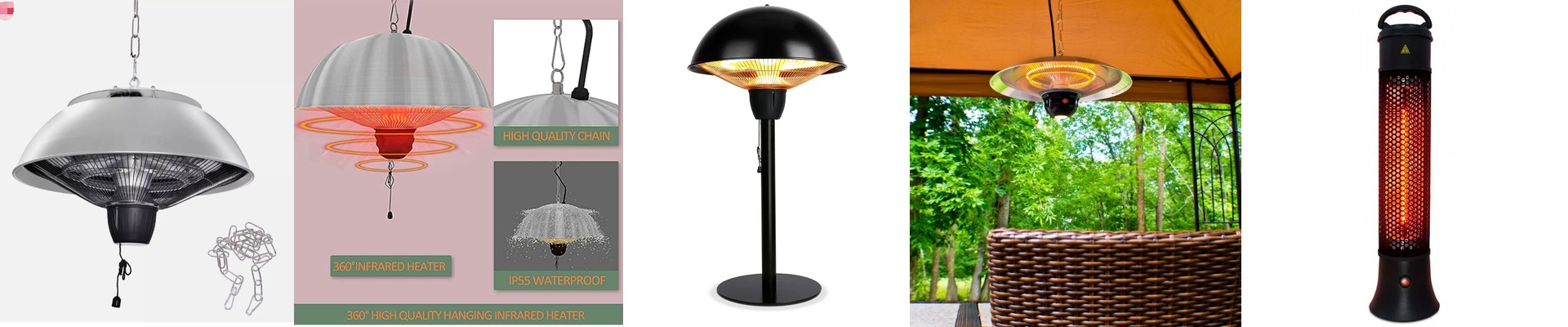
These lamps use heavy-duty quartz envelopes because they have to survive being heated and cooled over and over again, fast. We use standard R7s or SK15 connectors, so you can swap them out quickly without worrying about stressing the terminals. Now, here is a pro tip. We aim for high wattage density, but pushing more power into a shorter tube puts a lot of stress on your oven’s reflectors. If you’re switching to these high-output lamps,**do your cooling fans a favor and make sure they’re clean.**If they’re clogged, the heat soak will kill your lamps way faster than they should die.
What Happens in the Real World
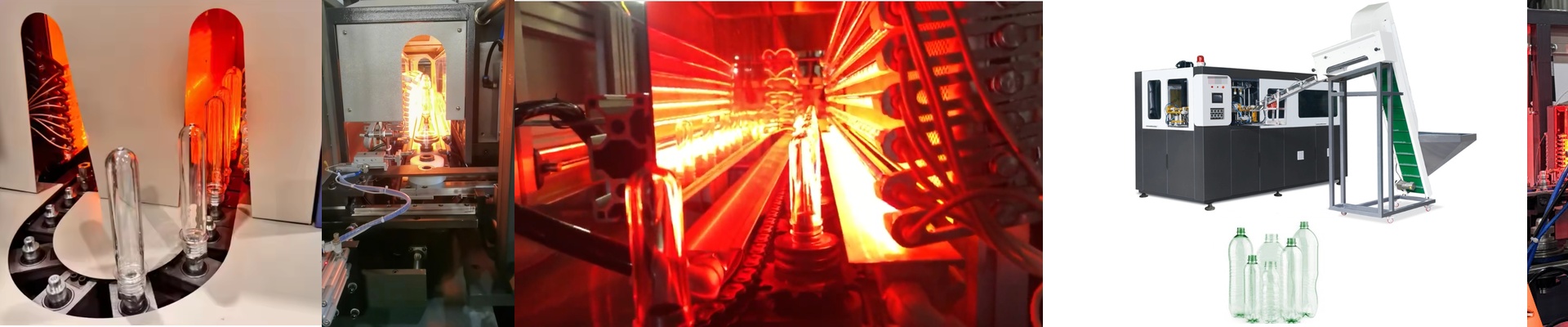
When you swap out those old OEM lamps for these precision tubes, you can actually see the difference in the oven zones. The preform temperature stays consistent. No more guessing. No more piles of scrap. You get way more control over the thickness of the base and the shoulders. It’s a simple hardware swap, but it fixes a problem that usually feels like a nightmare to solve.