
Stop Fighting Your KHS Oven: Getting Your Heat Distribution Right
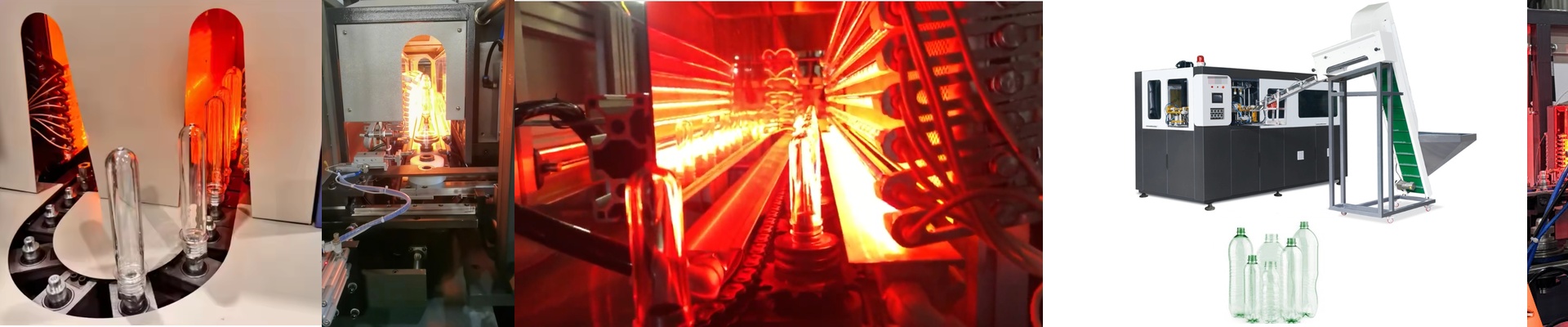
Ever look at a batch of PET bottles and see those annoying streaks or that weird, cloudy “pearlescence”? It’s frustrating. Usually, it means your heat field is acting up. When you’ve got cold spots, the bottle blows out. Too hot? The preform just melts. We see this all the time. The original OEM lamps just wear out, and suddenly your thermal profile is all over the place.
Why the “Heat Field” Actually Matters
If you want a bottle that stretches evenly, you need a very specific kind of infrared radiation. That’s where our quartz tubes come in. They’re designed to slide right into your KHS setup without any fuss. Here’s the secret: it’s all about the center. If the filament is off by even a single millimeter, the radiation shifts. That’s exactly how you get those “stripes” on your preform. We obsess over the filament centering and the purity of the glass so you don’t have to. Plus, we use a special halogen gas fill. It stops the quartz from darkening over time, so the light stays strong for thousands of hours.
The Trade-offs (The Honest Stuff)
These lamps run on high voltage to pack as much heat as possible into a tiny space. Now, a high-wattage tube is great because it ramps up fast—which is exactly what you need for high-speed lines. But there’s a catch. More wattage means more stress on your sockets. Before you swap them out, just double-check that your wiring can handle the current. You don’t want to be dealing with melted connectors. We keep things simple with standard R7s or Sk15 bases for quick swaps. We also coat the quartz to filter the light, so the energy hits the PET material instead of just heating up the metal frame of your machine.
Making it Work on the Floor
When you swap in these precision tubes, you can finally stop fiddling with the oven temperature every twenty minutes. You get a much smoother heat curve. One quick tip: if you crank up the wattage to push more bottles through, the oven is going to get hotter overall. Just make sure your cooling fans are up to the task of hauling that extra heat away.