
Why we use Carbon Fiber Infrared in Steam Ovens
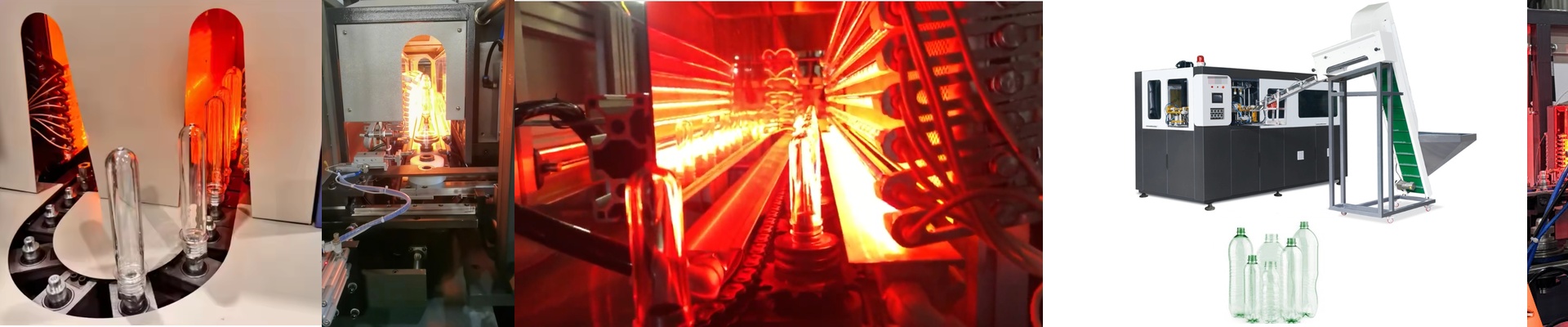
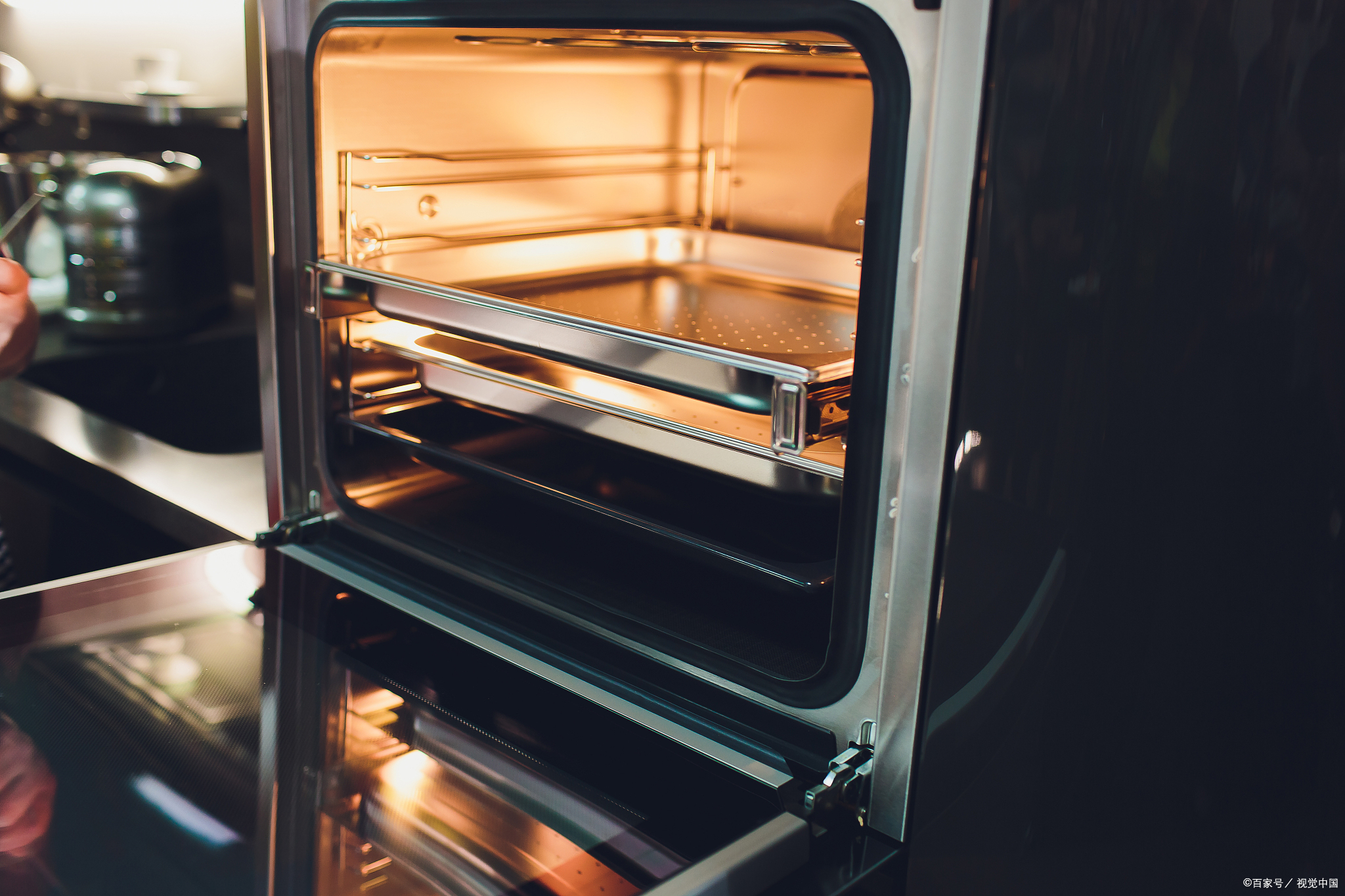
Let’s be honest: steam convection ovens are brutal on hardware. You’ve got high humidity and forced air fighting each other in a tight space, which usually ends in a disaster for standard heating elements. They either oxidize too fast or just snap from the thermal shock. That’s why we switched to carbon fiber infrared heaters. Instead of those old-school metal coils, we use a carbon fiber filament tucked inside a quartz envelope. It just works better. The secret to why it lasts Here is the thing about carbon fiber: it doesn’t freak out when the temperature changes. While traditional nichrome wires expand and contract violently every time you cycle the power—which is basically a countdown to a burnout—carbon fiber stays stable. It also changes how the oven actually heats. You get short-wave infrared radiation that hits the food directly, while the fans handle the ambient air. It’s a two-pronged attack that keeps the temperature steady across the whole chamber. No more cold spots. Building it to survive We don’t leave the filaments exposed. We seal them in high-purity quartz glass. Think of the quartz as a shield. If moisture touches a bare element, it pits the metal and kills the heater almost instantly. The glass stops that from happening. The best part? The speed. These things hit their target temperature in seconds. It’s nearly instant. A few things to watch out for Now, you can’t just throw these into any old oven and hope for the best. Carbon fiber lamps are picky about voltage. If you push too much power through the tube, the filament will snap. You’ll want to make sure your PID controllers are dialed in for a smooth power curve. And while quartz is tough, it’s still glass. It can crack. If your oven racks vibrate or shift around, give the lamps some breathing room. You don’t want anything knocking into them during a cycle. Wiring is pretty easy, but double-check your connectors. Make sure they can handle the wattage so you don’t end up with a melted housing. Oh, and keep the airflow moving—the quartz needs to breathe so it doesn’t overheat.