
Why Most Bathroom Heaters Die (And How We Fixed It)
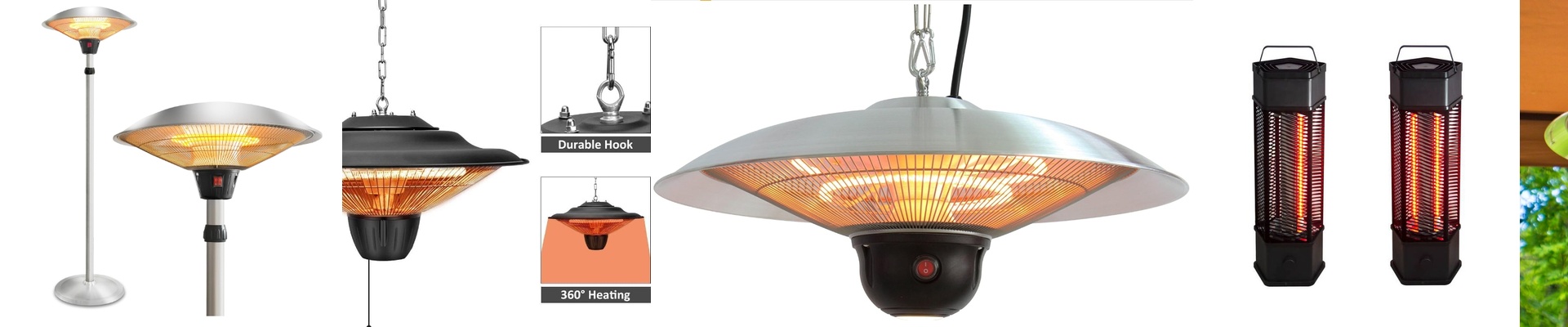
Let’s be honest: bathrooms are a nightmare for electronics. Between the thick steam, the accidental splashes from the shower, and the wild mood swings in temperature, it’s basically a torture chamber for a heating element. Most infrared heaters just can’t hack it. Moisture creeps into the housing or settles on the quartz tube, and before you know it, the thing shorts out or just burns out completely. The battle against the fog Here’s the thing about fogging—it’s not just about not being able to see your reflection in the mirror. It’s actually a heat problem. When condensation builds up on the lamp, the heat doesn’t spread evenly. You get these intense “hot spots” on the glass. Do that enough times, and the glass cracks or the filament just snaps. To stop that, we used a sealed housing that keeps the steam far away from the electrical bits. It keeps the element dry, which means the heat stays steady and the heater actually lasts. Keeping the water out Water and high-voltage electricity? Terrible mix. We don’t take chances here. We use reinforced gaskets and coatings that basically tell water to get lost. It’s all about making sure a stray spray from the shower doesn’t find its way into the wiring. We paid extra attention to where the cable enters the chassis. That’s the weak point. If that seal fails, the whole unit is toast. So, we made it tight. The tricky part: Breathing Now, you might think “just seal everything shut!” But there’s a catch. If you seal a heater too tightly, it can’t breathe, and it’ll cook itself from the inside out. It’s a balancing act. We had to figure out exactly where to put the vents so the unit stays protected from splashes but still gets enough airflow to keep from tripping the thermal cutoff. We built these things to take a beating. Because at the end of the day, you just want a warm bathroom—not a new heater every single winter because of a bit of corrosion.