
How to actually get that perfect golden-brown crust
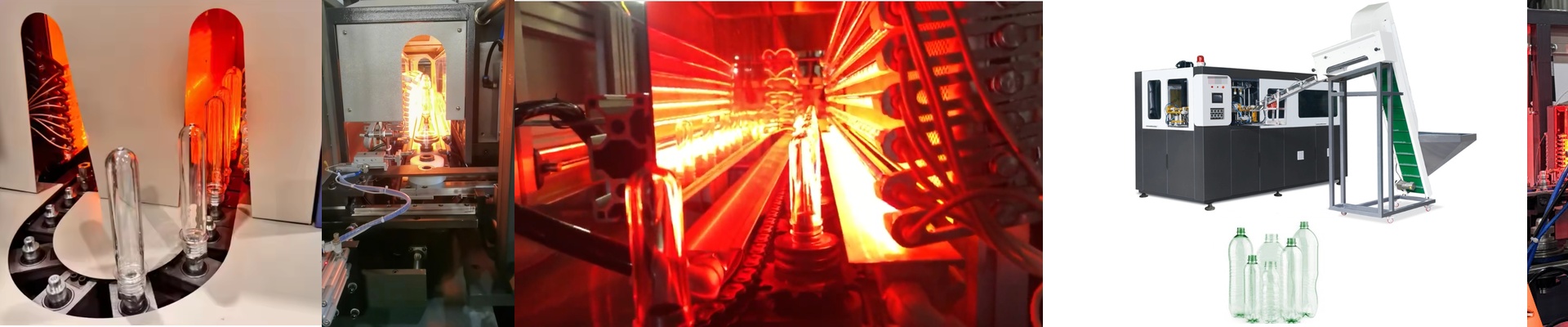
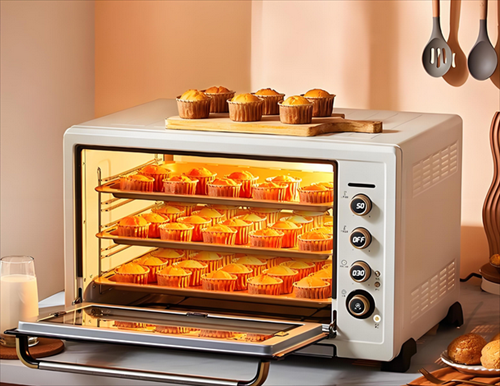
Ever wonder why some bread looks like it stepped right out of a textbook—that deep, golden-brown glow—while others just look… pale? It’s not just about cranking up the heat. It’s about how you handle infrared (IR) energy. In our stainless steel convection ovens, we use IR heaters to send radiant energy straight into the dough. This kicks off the Maillard reaction (the magic that creates the color and flavor) without turning the inside of your bread into a dry sponge. Finding the sweet spot for intensity Here’s the thing: you have to balance your wattage against how fast your conveyor is moving. If you go too hot, you’ll torch the tops of your loaves before the sides even have a chance to set. But if you’re too timid with the heat? You’ll end up overbaking the middle of the bread while you’re still waiting for that color to show up. For those classic artisanal loaves, we usually stick with medium-wave IR. It just works better with dough that has a high water content. The nuts and bolts We wrap these heaters in stainless steel because commercial ovens are brutal—lots of humidity and extreme heat. Inside, we use quartz-halogen or coated ceramic elements. Those coatings are key. They let us tweak the light spectrum so the food actually absorbs the heat instead of just bouncing it off. Plus, we can customize the lengths and wattages. That means you can slide these into your current setup without having to rip apart your entire oven chassis. A few things to watch out for High-intensity lamps are great for fast browning, but they’re hungry for power. If you go with a high-wattage array, double-check your wiring and contactors. If they aren’t rated for that peak current, they’ll burn out way sooner than they should. And one more thing—more intensity means a hotter oven shell. You’ll want a really solid layer of insulation so your team isn’t getting burned when they’re working around the equipment. Safety first.