
Getting the Heat Right for AI Baking
Smart kitchens are starting to rely on AI to nail the perfect bake. But here’s the problem: if you’re using standard heating elements, you’re fighting a losing battle. They’re just too slow. To actually hit those precise temperature targets, you need high-precision infrared (IR) lamps. They react fast. Like, really fast.
Why air just doesn’t cut it
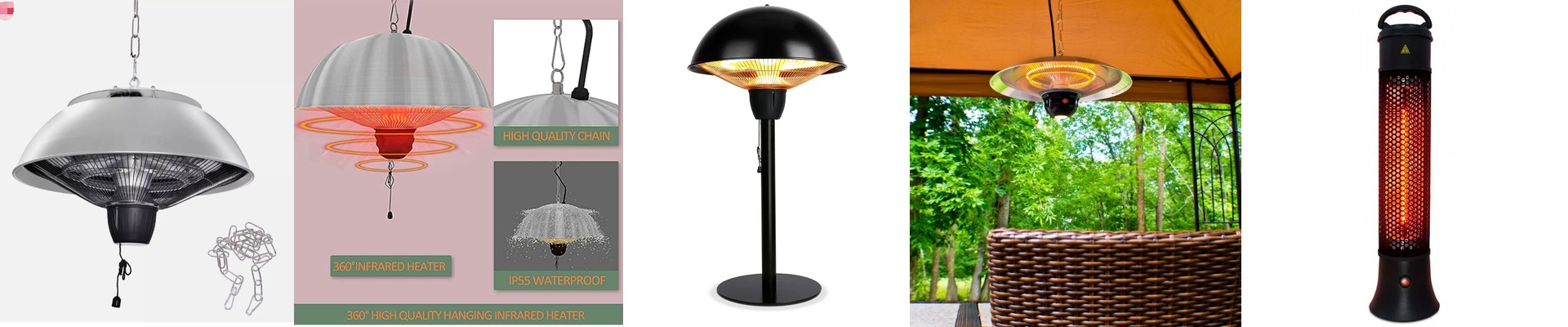
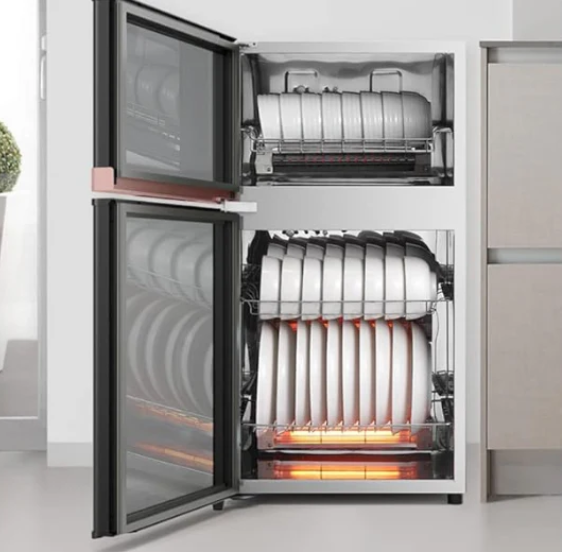
We’ve all dealt with convection ovens. They move air around, but air is honestly a pretty terrible conductor of heat. By throwing IR heaters into the mix, you get radiant heat that hits the food the second it’s turned on. We keep the wattage tolerances on these lamps incredibly tight. Why? Because when your AI controller asks for a tiny 5-degree shift, the lamp actually delivers it. No more waiting around for old-school coils to catch up.
Tailoring the gear
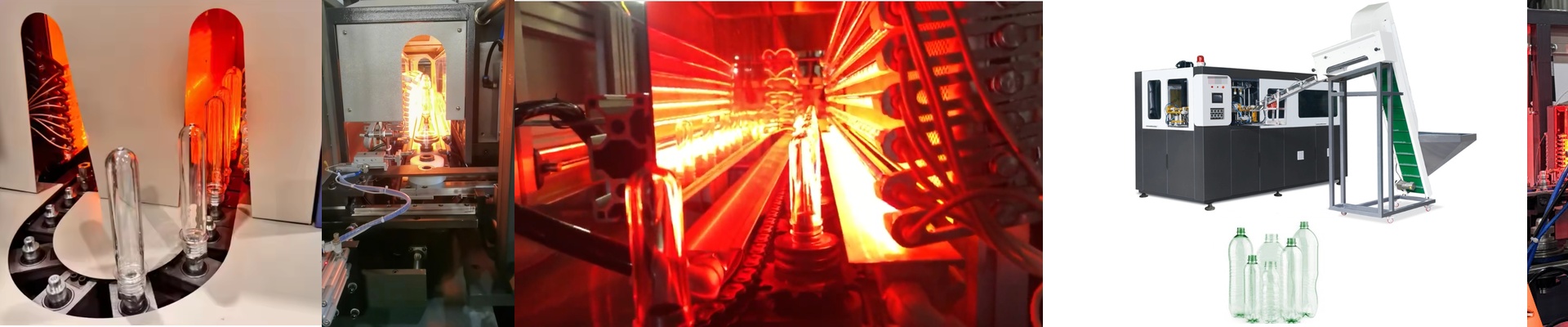
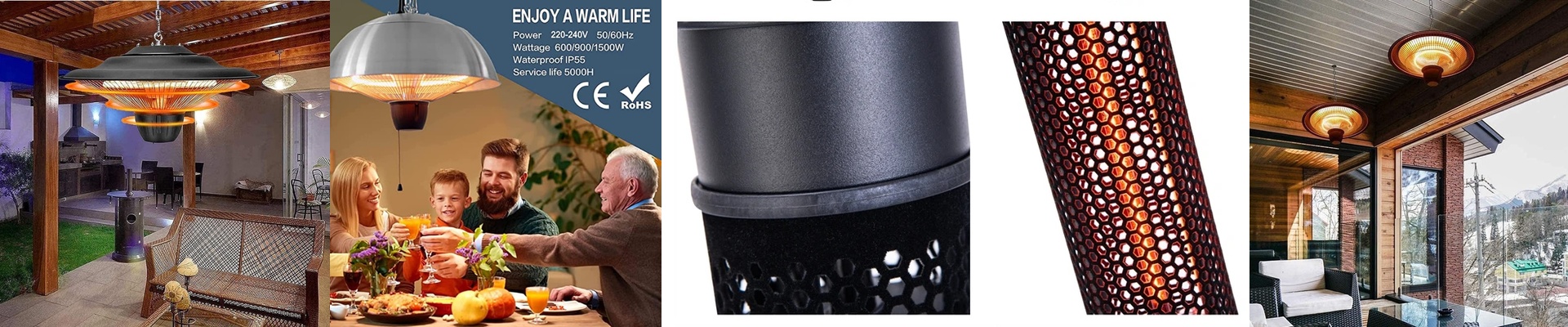
We build these using high-purity quartz tubing, but we don’t do “one size fits all.” Depending on how much room you have in your oven, we can tweak the length and voltage to fit your power rail. And we use specialized connectors. It sounds like a small detail, but when those convection fans start humming, things vibrate. These connectors stay put. Then there’s the coating. This is where it gets interesting. If you want that perfect, golden-brown crust quickly, go with a short-wave emitter. If you need the heat to soak deeper into the dough, medium-wave is your best bet. Just be careful—if you push too much intensity in a tight space, you’ll burn the outside before the middle is even warm.
The gritty details of setup
If you’re plugging these into an AI system, you’ve got to get your PID loops dialed in. IR lamps ramp up almost instantly. If your sensors are sitting too far away, you’ll overshoot your target temperature before the system even realizes it. I’d suggest keeping your thermocouple within 50mm of the lamp face to keep things steady. Wiring is pretty simple, but watch your relays. High-precision PWM control means a lot of switching. If you use standard relays, they’ll burn out fast. Save yourself the headache and just use solid-state relays (SSRs). They can handle the pace.