


Keeping Your Industrial Heaters Dry (and Alive)
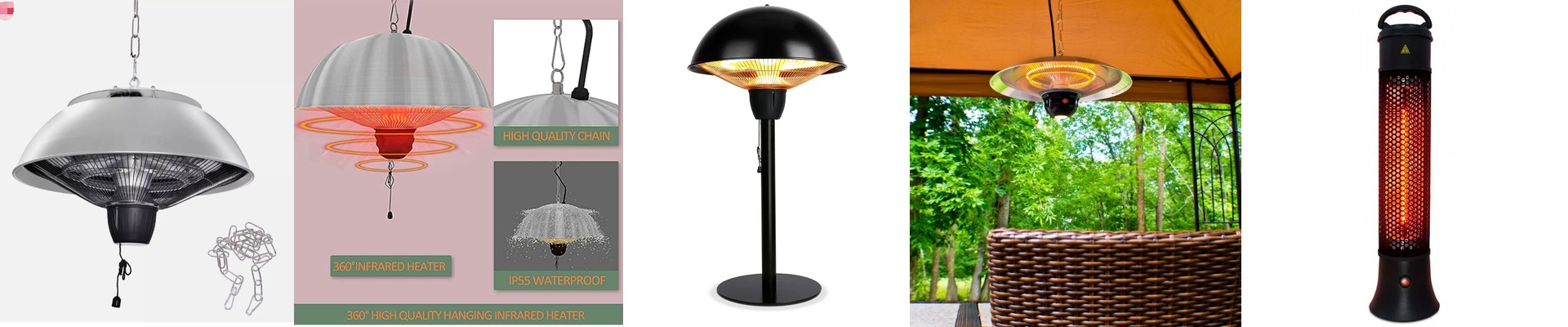
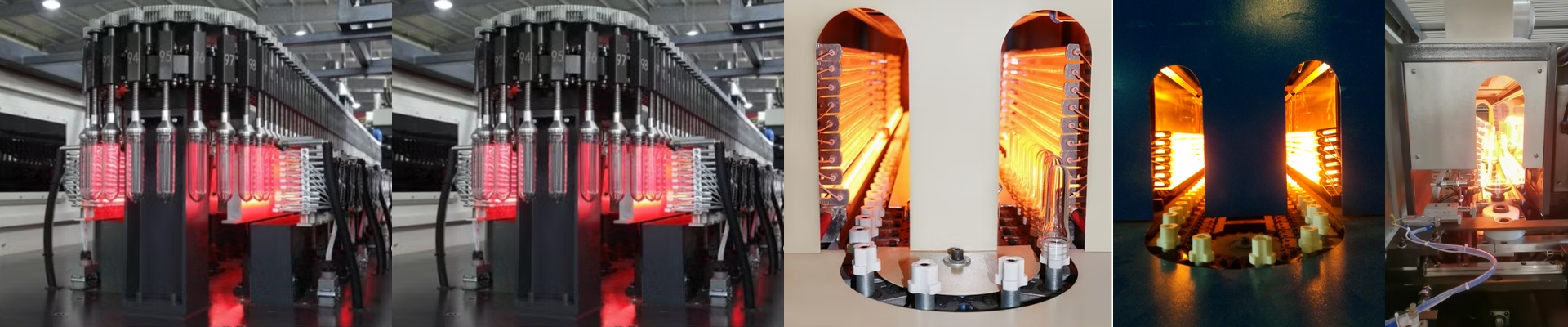
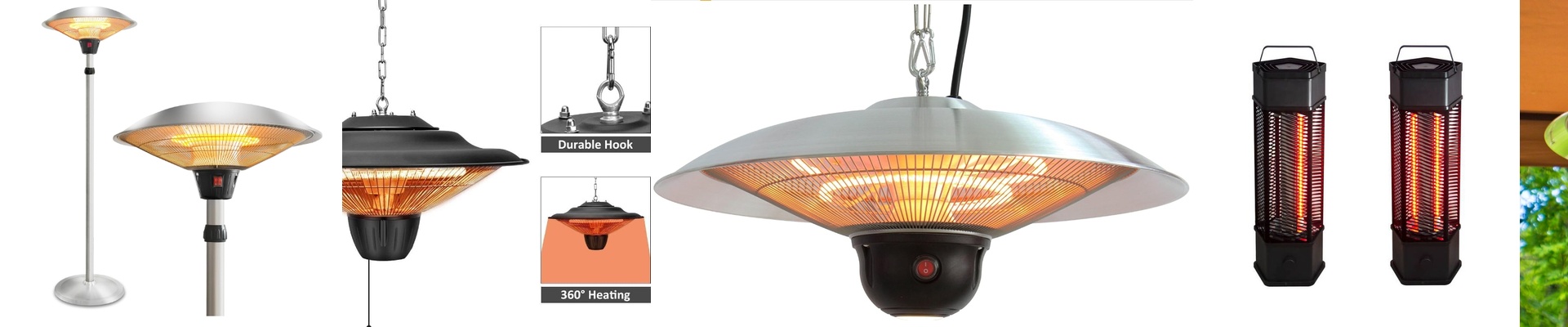
Here is the reality: most infrared heaters don’t die of old age. They die because of a few stray drops of water. When moisture or condensation hits a scorching hot quartz tube, the thermal shock is brutal. It cracks the glass almost instantly. It’s a frustrating way to lose a piece of equipment. That’s why we built our heaters with an IPX5 rating—basically, we focused on sealing the electrical guts and keeping the surface dry. What does IPX5 actually mean for you? In plain English, it means you can spray the unit from any angle and it won’t quit. We used heavy-duty gaskets and sealed cable entries so water can’t sneak into the wiring terminals. No shorts, no corrosion, no headaches. Whether you’re hosing down the shop floor or running things in a humid environment, you can just let the heaters do their job without worrying if they’re about to burn out. The fight against fog Mist and fog are a bit more sneaky. They don’t crash in like a water jet; they just settle. If condensation pools on the emitter, you get “cold spots,” and your heat distribution goes out the window. To fix this, we tweaked the housing shape and added specific coatings. It keeps the surface dry and the heat steady across whatever you’re warming up. The tricky part: Breathing vs. Sealing There’s always a trade-off. If you seal a unit too tight, you trap the heat inside the electronics, which is just as bad as getting them wet. We solved this by using heat-conductive seals and vented enclosures. It’s the best of both worlds—liquid stays out, but air can still move. Just a quick tip: if you’re running a high-wattage setup, make sure your mounting brackets aren’t buried in debris. They need a little breathing room for natural convection to work. At the end of the day, it’s just a smart mechanical fix for a common shop problem. You spend less time replacing lamps and more time actually running your line.