

Keeping Your Patio Warm When the Temperature Drops
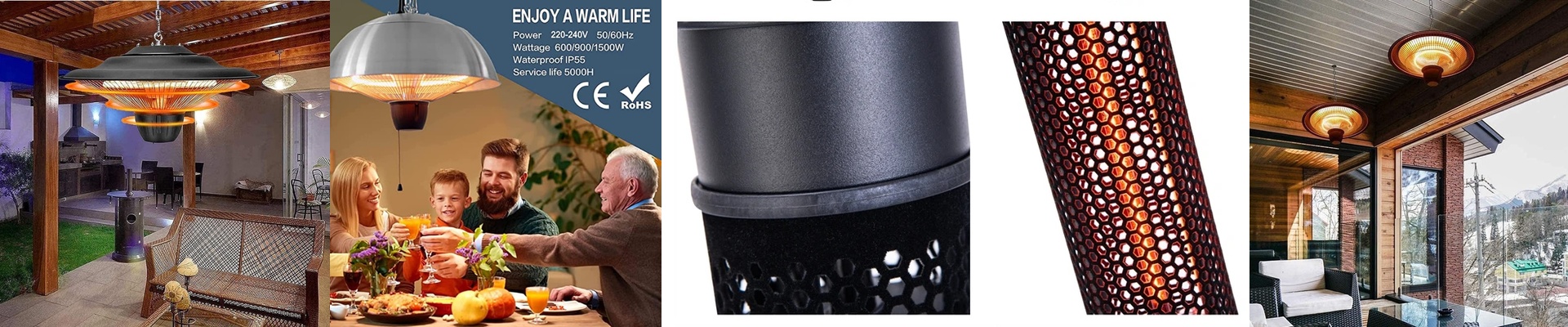
Nobody wants to see a row of empty tables just because it’s November. The problem with most outdoor heaters is that they try to warm the air. But outdoors? The wind just carries that warmth away. It’s a waste of electricity. That’s why we use infrared heaters. Instead of fighting the breeze, they send heat straight to your guests’ skin and clothes. It feels like stepping into a patch of sunlight on a crisp day.
Dealing with the Elements
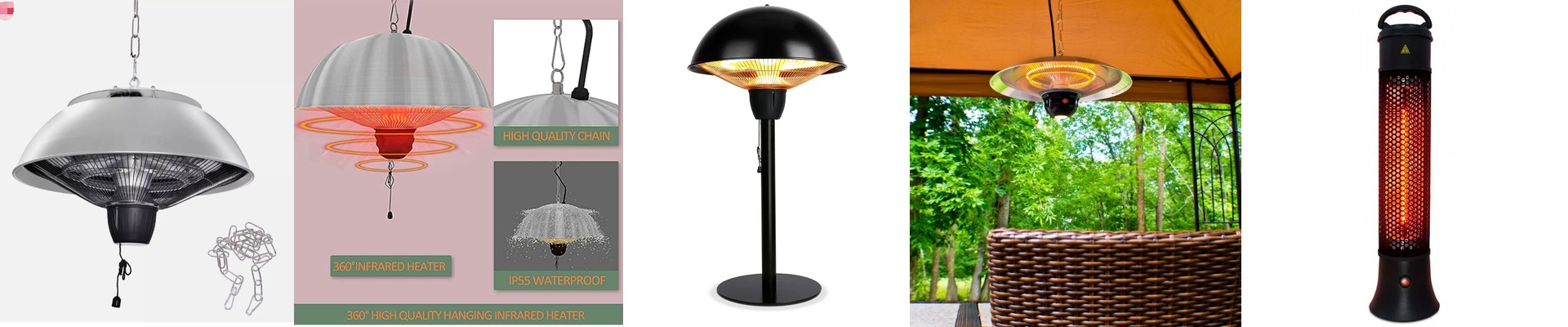
Putting electronics outside is always a gamble unless you have the right gear. Rain, snow, and that heavy winter humidity can wreck a heater in no time. We stick to the IPX4 standard. In plain English, that means the internals are sealed tight against splashes from any direction. If you try to save a few bucks by putting indoor heaters on a patio, moisture will eventually creep in. Then you’re looking at short circuits or burnt-out elements right in the middle of a dinner rush. Not a great look.
Why Shortwave Matters
We specifically use shortwave infrared emitters. Here is the thing: shortwave radiation travels further and hits harder than the longwave stuff. This is a huge win for your layout. You can mount the heaters higher up on the ceiling or on brackets, and your guests will still feel the heat at the table. It’s instant. The second a customer sits down, they feel that warmth. When people are comfortable, they stay longer—and they’re much more likely to book a table during a cold snap.
The Practical Side of Things
Just a heads-up: these units pull a lot of power. Before you start wiring everything up, check your breakers. A few 2000W heaters can trip a standard circuit faster than you’d think. We usually suggest running dedicated lines for each heating zone. It’s a bit more work upfront, but it beats having the lights go out mid-meal. One last tip on placement. Since these heaters create a concentrated beam of warmth, height is everything. Mount them too low, and the person directly underneath is roasting while the person next to them is shivering. It takes a little bit of tweaking to get the spacing right, but once you nail that “thermal footprint,” the whole patio feels cozy.