
Why Your Food Warmer Needs to Heat Up Fast (and Stay There)
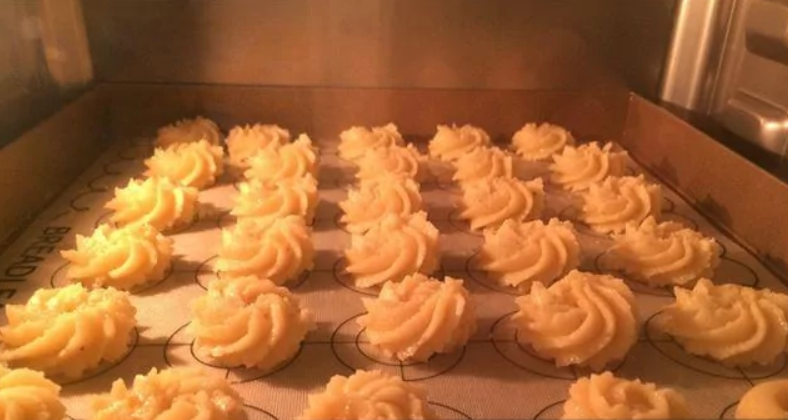
Ever pulled a tray out of the oven only to find the edges are burnt but the middle is still cold? It’s frustrating. Most of the time, that happens because of “thermal lag.” Basically, your heating element is too slow to react, or it’s swinging 20 degrees up and down. You don’t get a consistent bake; you get a gamble. That’s why we focus on rapid-response heating. We want to kill that lag and keep the inside of the warmer rock-solid.
The Secret is in the Density
It really comes down to how much power we can cram into a small space. By using high-density coils, the element hits its peak temperature almost instantly. This lets the controller work in quick, short bursts. It creates a tight loop. If the element is too small or weak, the temperature crashes the second you open the door to check your food. By the time it recovers, the bake is already ruined.
Why We Use Quartz and Halogen
We usually go with quartz glass tubes. Why? Because standard glass tends to crack when the temperature jumps quickly. Quartz can handle that shock without breaking a sweat. And here’s a neat trick: we fill those lamps with halogen gas. As the filament wears down and evaporates, the halogen cycle pushes those materials back onto the glass. It keeps the heat steady for thousands of hours, so you aren’t replacing parts every few months.
The Catch: You Can’t Just “Plug and Play”
Fast heat is great, but it’s aggressive. High-wattage elements create an intense amount of localized heat. If you try to run these with a cheap mechanical thermostat, you’re asking for trouble. The switch will either chatter or just weld itself shut. You need a high-frequency PID controller or a solid SSR (Solid State Relay). These controllers pulse the power rapidly. It keeps the temperature line flat instead of letting it “overshoot”—which is when the oven gets way too hot before the sensor even realizes it. When the heat is precise, you stop throwing away ruined batches. Simple as that.