
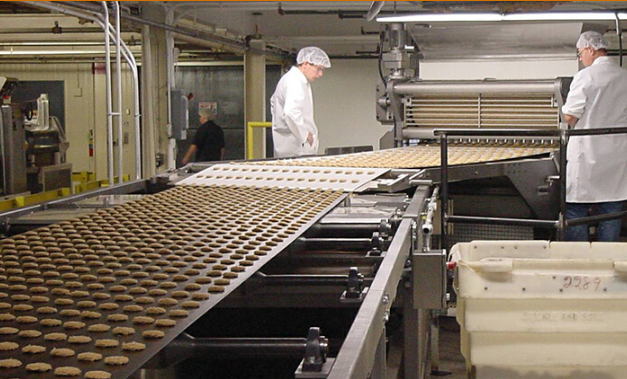
When your bread tops start washing out and the crumb sets unevenly, the problem is usually the oven, not the formula. In a busy bakehouse, a tired heating element can’t hold the deck temperature steady, and that shows up as inconsistent crust color and messy, unpredictable rise. The fallout is real: wasted dough, bakes that miss the mark, and a line that backs up while you chase temperature swings. What matters under the hood A replacement thermal element for a bakery bread oven isn’t just a heat source. It’s built to match the specific thermal behavior of deck ovens, where heat has to transfer evenly across stone or steel hearths. We spec high-density resistance wire and a stable ceramic core so the output is predictable and the service life is solid—typically 3,000 to 5,000 bake cycles, depending on how the oven is run. Wattage and voltage are chosen to match the original spec, so the thermostat gets the response it expects, without overshoot and lag. Here’s why this matters on the line. In a bakehouse, you need heat that behaves. The right element restores uniform deck temperature, so every tray comes out the same: crust that’s truly golden, caramelization that’s clean, and an interior that stays tender. Fast recovery after door openings keeps production moving, and stable heat control supports consistent proofing outcomes. Because the element heats and holds accurately, you’re not tempted to overrun the oven to compensate, which helps keep energy use per bake cycle in check. Now, the practical bits. Installation is straightforward, but you still have to match the terminal block, mounting bracket, and lead length. Verify voltage and phase, and confirm the element dimensions match the original footprint. After replacement, expect a short warm-up period while the baking chamber re-stabilizes. For the best results, pair the new element with a clean deck, a calibrated thermostat, and a routine that keeps heat distribution true.