
Introduction
Here’s the thing about our wall-mounted infrared fireplaces: they’re built for one purpose—giving you direct, targeted heat. Not to turn your whole room into a sauna. The real question isn’t whether infrared is “better.” It’s whether it’s a smarter way to warm the people and things that matter, right where you need it. And the answer comes down to how heat actually moves. Instead of wasting energy heating the air, infrared radiation goes straight to the source. You feel the warmth instantly, and you’re not paying to heat empty space. That focus is exactly why we can aim for up to 30% less electricity use in everyday use.
Power, Voltage, and Heat Delivery
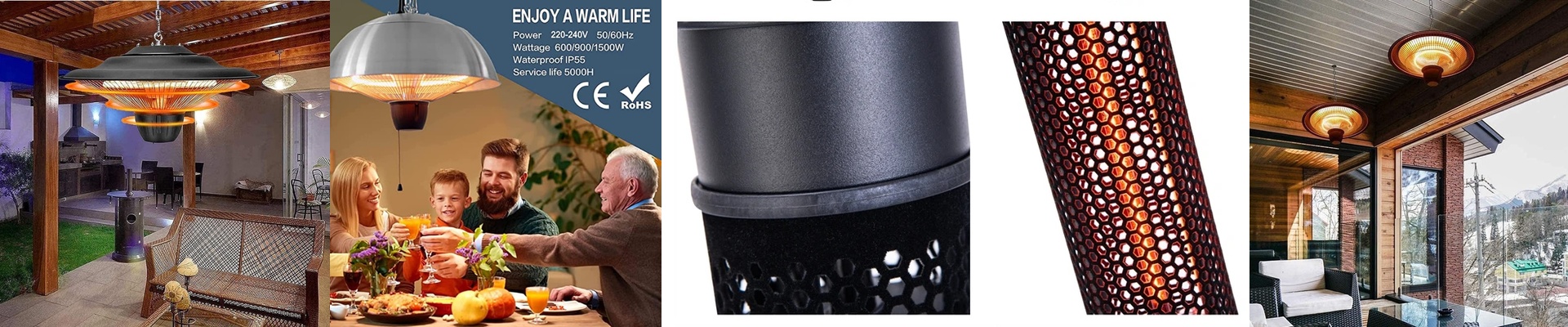
Infrared heating is all about intensity. These wall units are designed to deliver serious power, right away. You flip them on, and you feel the heat—no waiting around for a boiler to warm up or air to start moving. You only pay for the energy that turns into radiant heat. The savings come from not heating air that’s just going to escape through a door, and from heating only the spots you actually use. But with that kind of punch comes a little responsibility. High-density heat needs the right electrical setup. The unit pulls its rated current, so the wiring and circuit protection need to be properly sized. And because it runs hot, you’ll need to plan for clearance and ventilation. Give it some breathing room, and it’ll perform like a champ.
The Core Components: Quartz, Halogen, and Connections
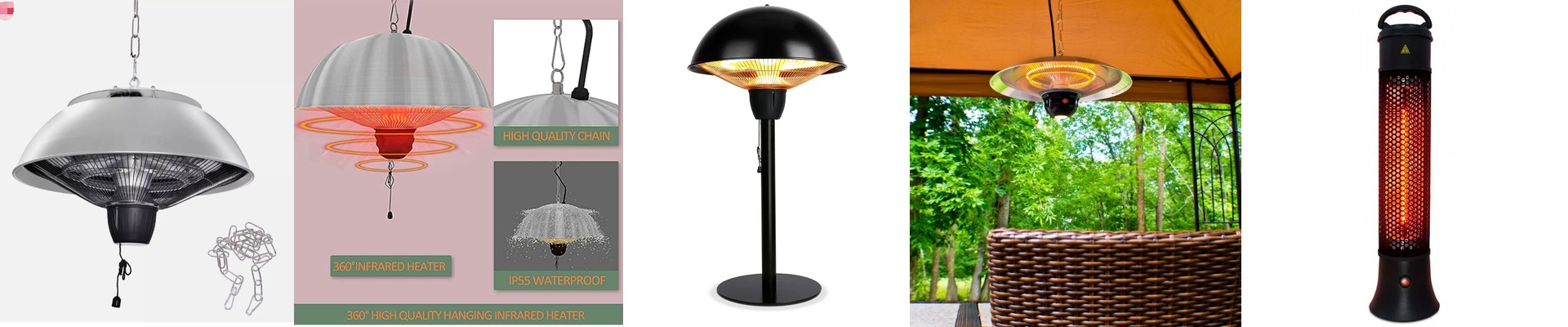
At the center of it all is the quartz tube, filled with halogen gas. That halogen cycle keeps the filament stable, so the output stays consistent over the life of the lamp. It runs hot by design—because that’s what it takes to emit infrared efficiently. We use standard R7s connectors, so the connection is simple and secure. The lamp is built to handle rapid on/off cycles without cracking from thermal shock. Just like any high-intensity lamp, it won’t last forever—it’s measured in thousands of hours. So plan for a replacement schedule. A fresh tube keeps the performance steady.
Where It Shines: Real-World Use and Benefits
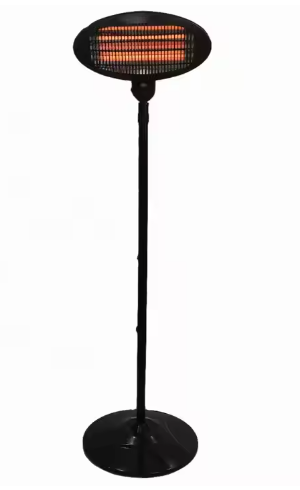
In commercial spaces, these wall-mounted units really shine where doors open and close all day—places with constant foot traffic. They keep people warm without trying to heat the entire building. The footprint is small, and the response is immediate. You get warmth where you need it, when you need it. That 30% energy reduction is real—but only if the unit is sized right for the zone. If it’s too big, you lose the efficiency advantage. The key is matching the radiant output to the actual heat demand. For engineers, that means doing the load math and setting up smart zoning. Get that right, and you end up with dependable warmth that costs less to run.