
Global Engineering for Attic Spaces: The Technical Logic of Custom Infrared Heaters
We make industrial infrared heaters, specifically for attics and other tight, enclosed spots. The whole idea behind our design is pretty straightforward: match the electrical spec to the power you have on site, then build something tough enough to live in that environment. Let’s be real—you can’t just plug a 120V unit into a 400V plant and expect it to survive. That’s why we start by making sure every unit can be built for the exact voltage you need.
The Power, Voltage, and Size Breakdown
When you’re talking infrared heat, it’s all about packing a lot of power into a small space. Our attic heaters are built to run on pretty much any global voltage—120V, 230V, 240V, and 400V. So you pick the unit that fits the building, not the other way around. Going with higher voltage? That lowers the current for the same wattage, which means you can use thinner wire and smaller switches and fuses. We also match wattage and tube length to the area you’re heating and the space you have to work with. A shorter, compact tube is great when you’re squeezed for headroom, but it does mean the nearby materials are going to feel more of the heat. So plan your clearances and airflow before you even think about installing.
What’s Inside: Quartz, Coating, and the Details That Matter
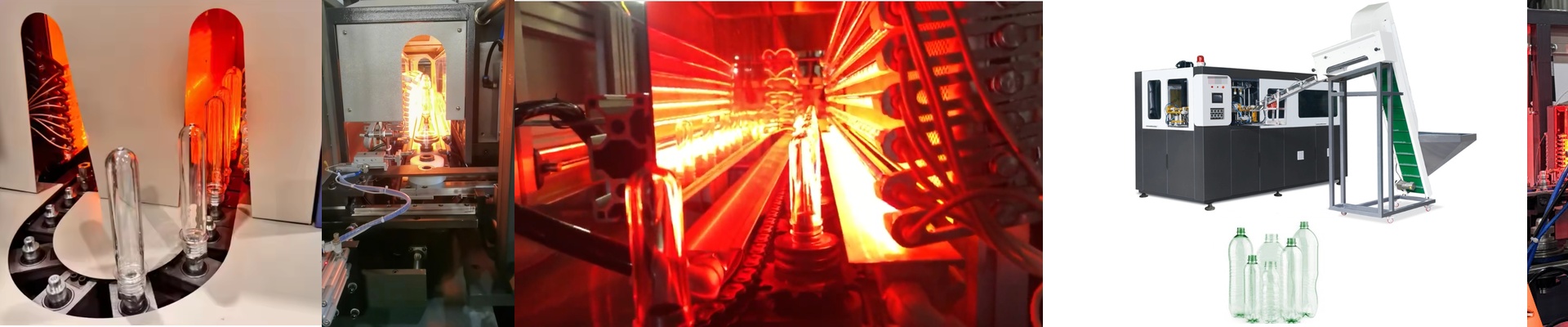
We use quartz infrared tubes because they can handle the constant heating up and cooling down without cracking. The filament inside stays shielded from oxygen, which keeps the heat output steady, even after hours and hours of use. We also coat the outside to manage surface temperature and keep heat from escaping the tube itself. That means better efficiency and less worry about nearby materials getting damaged. And let’s talk connectors. They might seem small, but they matter a lot on the job. Our standardized, sturdy connectors make wiring quick and replacement easy—no messing around with custom mounts. We build each unit with the right pin setup and termination style for your market, so it drops right in as a replacement.
Built for the Real World: How It Works in Attic Spaces
When you’re heating an attic, you need heat that hits the target without turning the whole structure into an oven. Infrared is perfect for this because it heats directionally, so you can focus the energy exactly where you need it. The custom voltage and connector setup saves a ton of time. No rewiring. No custom brackets. Fewer mistakes in the field. But there’s a trade-off. That concentrated infrared power means you have to manage the heat in the enclosure properly. Spec the heater for the load, then double-check ventilation and make sure your materials can handle the temperature. When you do that, you get a heating solution that just works—one that fits the plant, the voltage, and the job.