
Stop Letting the Cold Kill Your Patio Profits
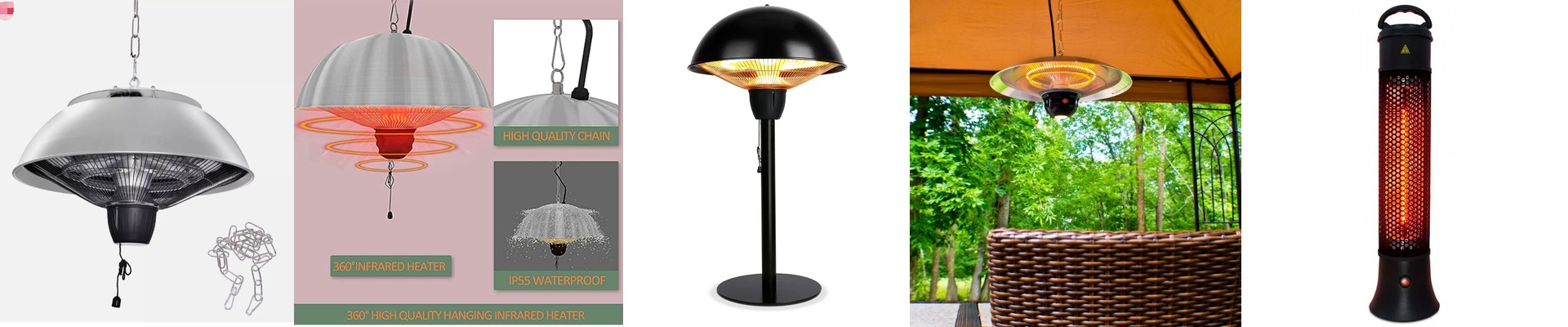
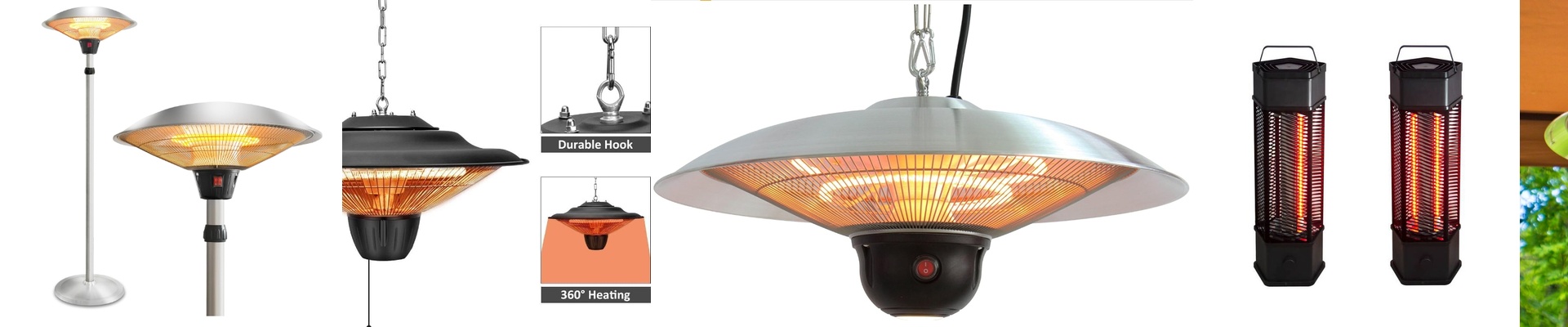
Let’s be honest: the second the temperature dips below 15°C, your outdoor seating becomes a ghost town. It’s a waste of space and a hit to your wallet. Most people try to fix this with those standard forced-air heaters. The problem? They just push warm air around, and the moment a breeze hits, that heat is gone. It’s like trying to warm up a room with a hair dryer while the window is open. That’s why we use short-wave infrared. Instead of trying to heat the air—which is basically impossible outdoors—IR beams heat go straight to the person and the chair. It’s like sitting in the sun on a crisp autumn day. You feel it instantly. The secret is in the power. We go with high-wattage units because they actually penetrate through coats and sweaters. It creates this little “bubble” of warmth around the table. Plus, because these units pack a punch, you can mount them higher up. This is a huge win because it clears up floor space and keeps your guests from feeling like they’re sitting too close to a radiator. Why this actually matters for your bottom line. Think about your guests. When they’re shivering, they want to get the check and get out. They skip the dessert menu. They pass on the second round of drinks. But when it’s a cozy 22°C at the table? They linger. They relax. They order that extra espresso and a slice of cake. Suddenly, your terrace isn’t a “dead zone” for four months of the year—it’s a money-maker. We’ve seen a real jump in average check sizes during the winter just by fixing the temperature. A few things to watch out for. Now, you can’t just plug these into a regular wall outlet and call it a day. These arrays pull a lot of power. If you don’t get your electrical panel sorted first, you’re going to be tripping breakers right in the middle of the Friday night rush. Not a great look. And be smart about where you put them. If you overlap the heat zones, you get these annoying hotspots that make people sweat. But if you leave too big of a gap? You get cold pockets. Get the spacing right, get the power sorted, and you can keep your patio full all year long.